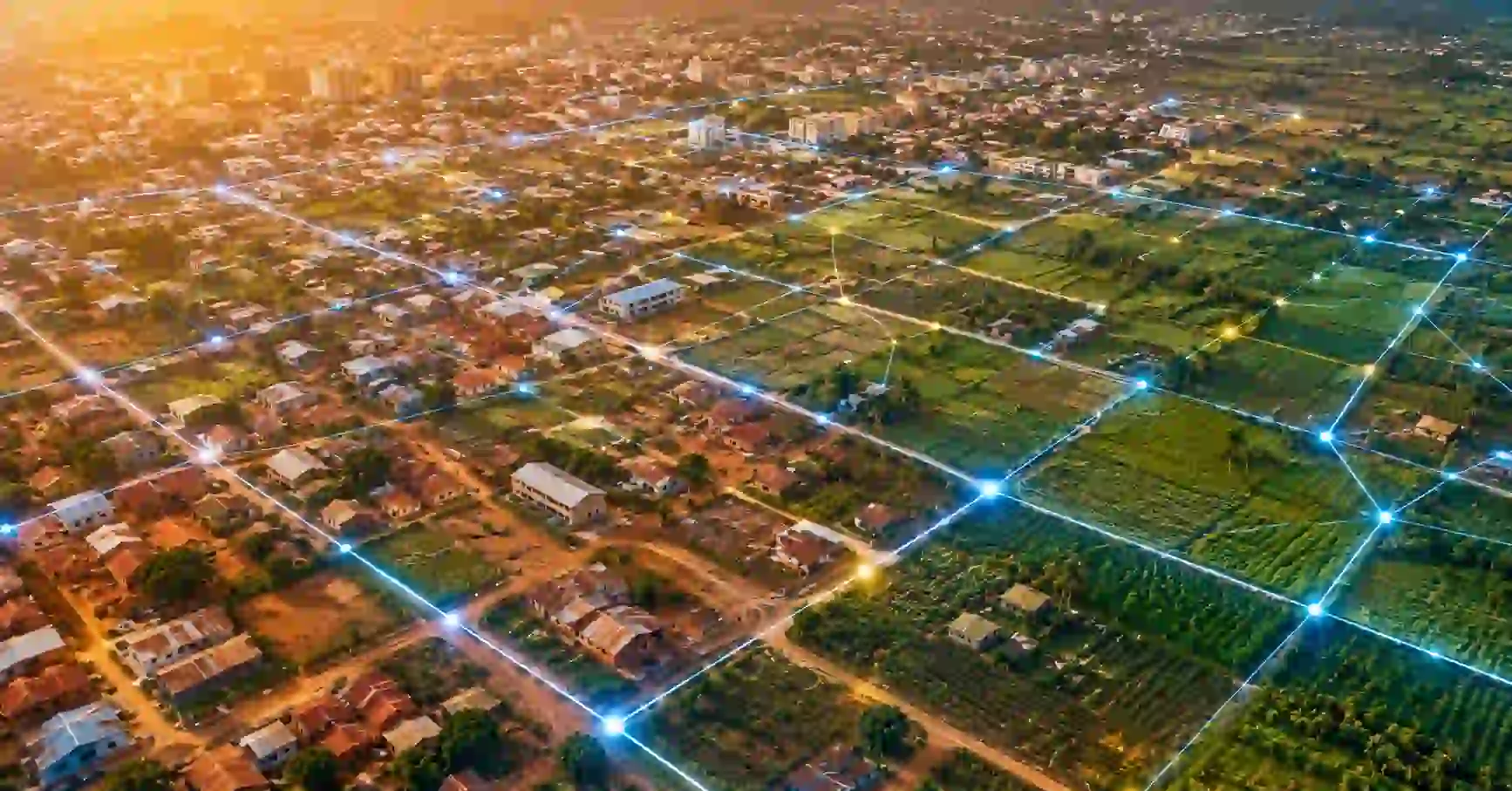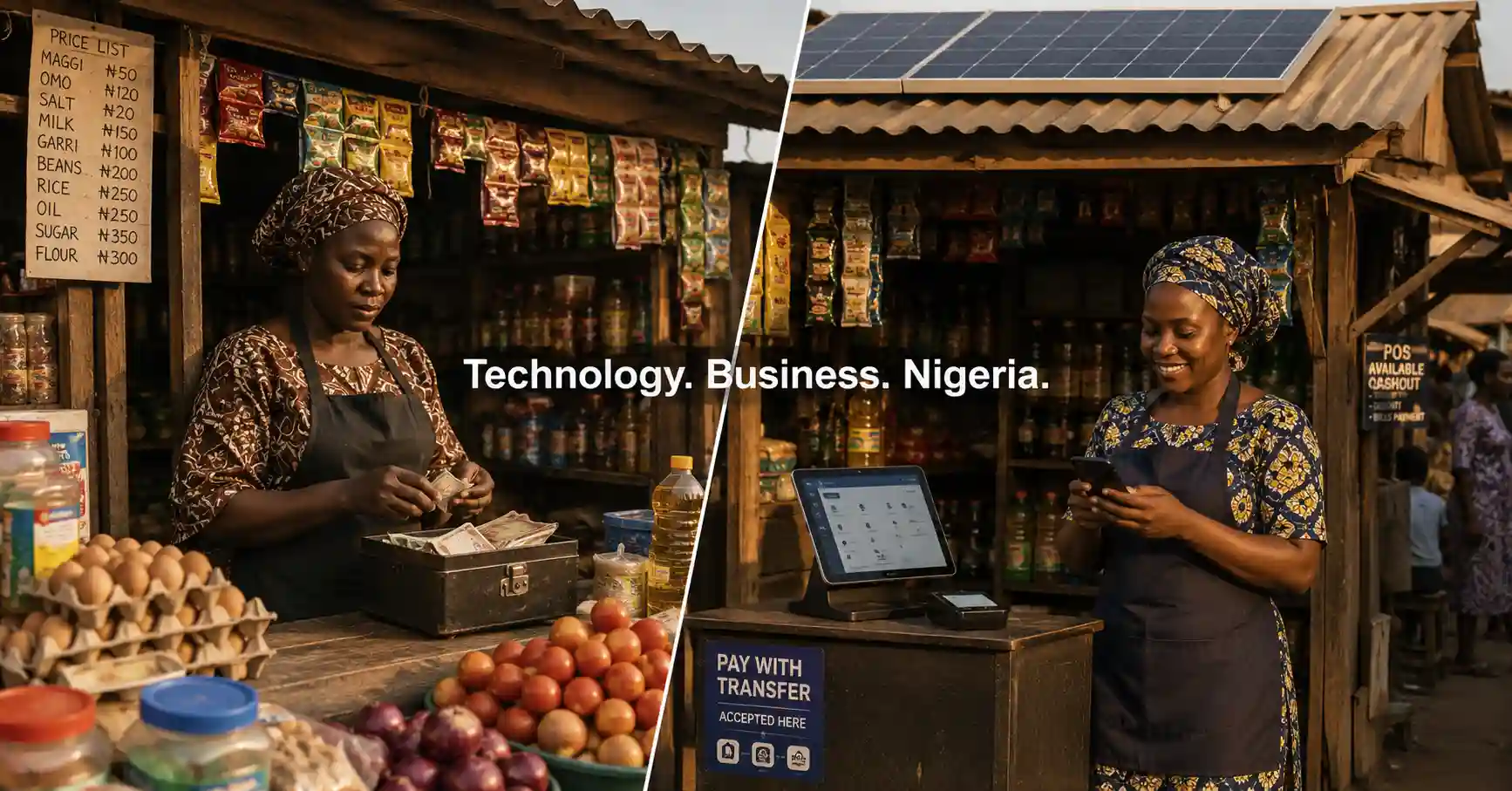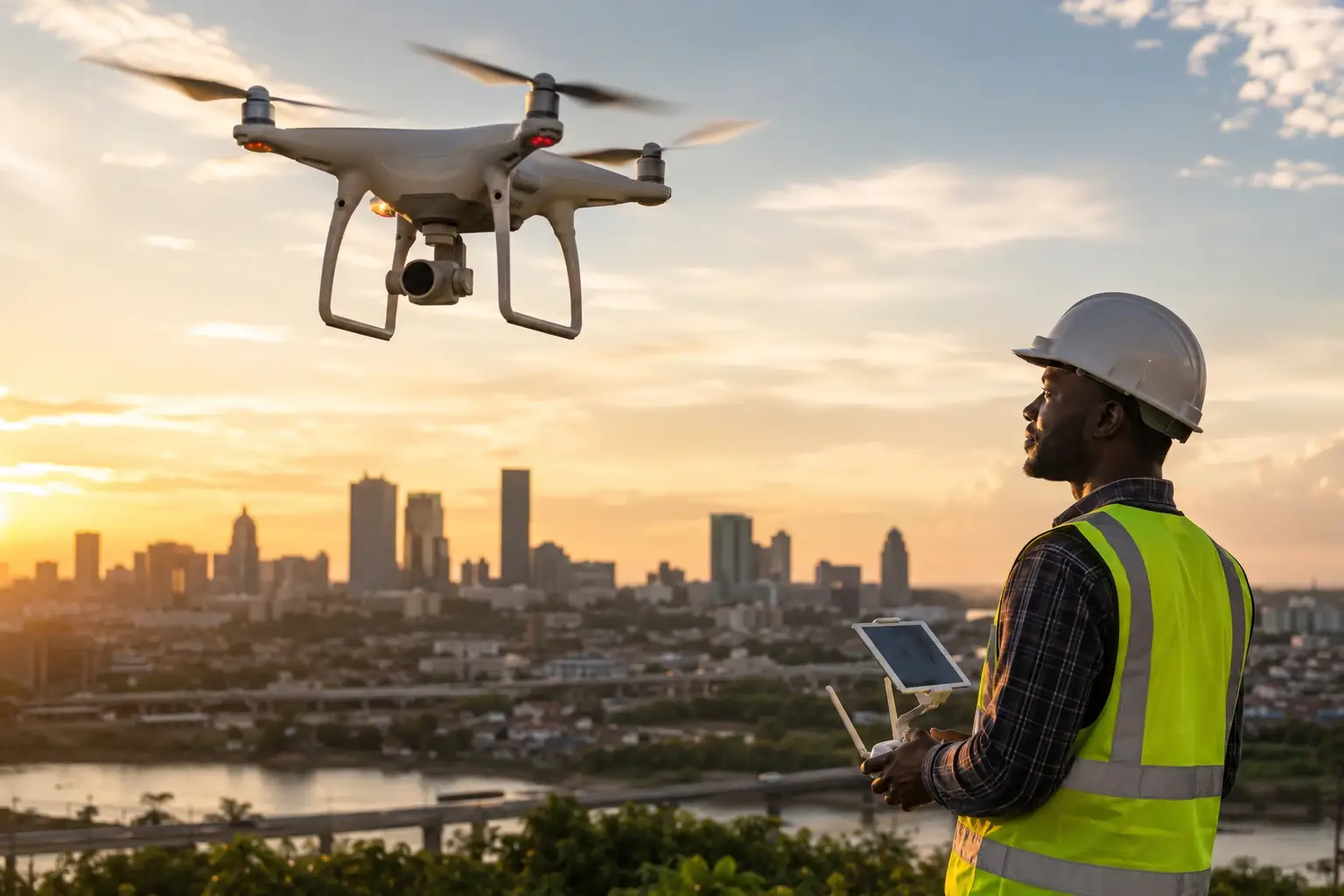
Drone technology in Africa reached a striking milestone in January 2026. Zipline’s autonomous aircraft completed their two millionth commercial delivery across the continent, after flying more than 120 million autonomous miles above roads that trucks and ambulances still cannot reliably cross, as detailed in Zipline’s operational history. That single number captures something bigger than logistics. It shows how drone technology in Africa has moved from pilot project to daily infrastructure.
This post covers where that shift is happening fastest. We look at healthcare delivery, farming, wildlife protection, market growth, and the regulations trying to keep pace. We also look at the real barriers still standing in the way.
Now, let us start where the impact is easiest to measure: hospitals and clinics that once waited hours for supplies that now arrive in minutes.
How Drone Technology in Africa Is Saving Lives in Healthcare
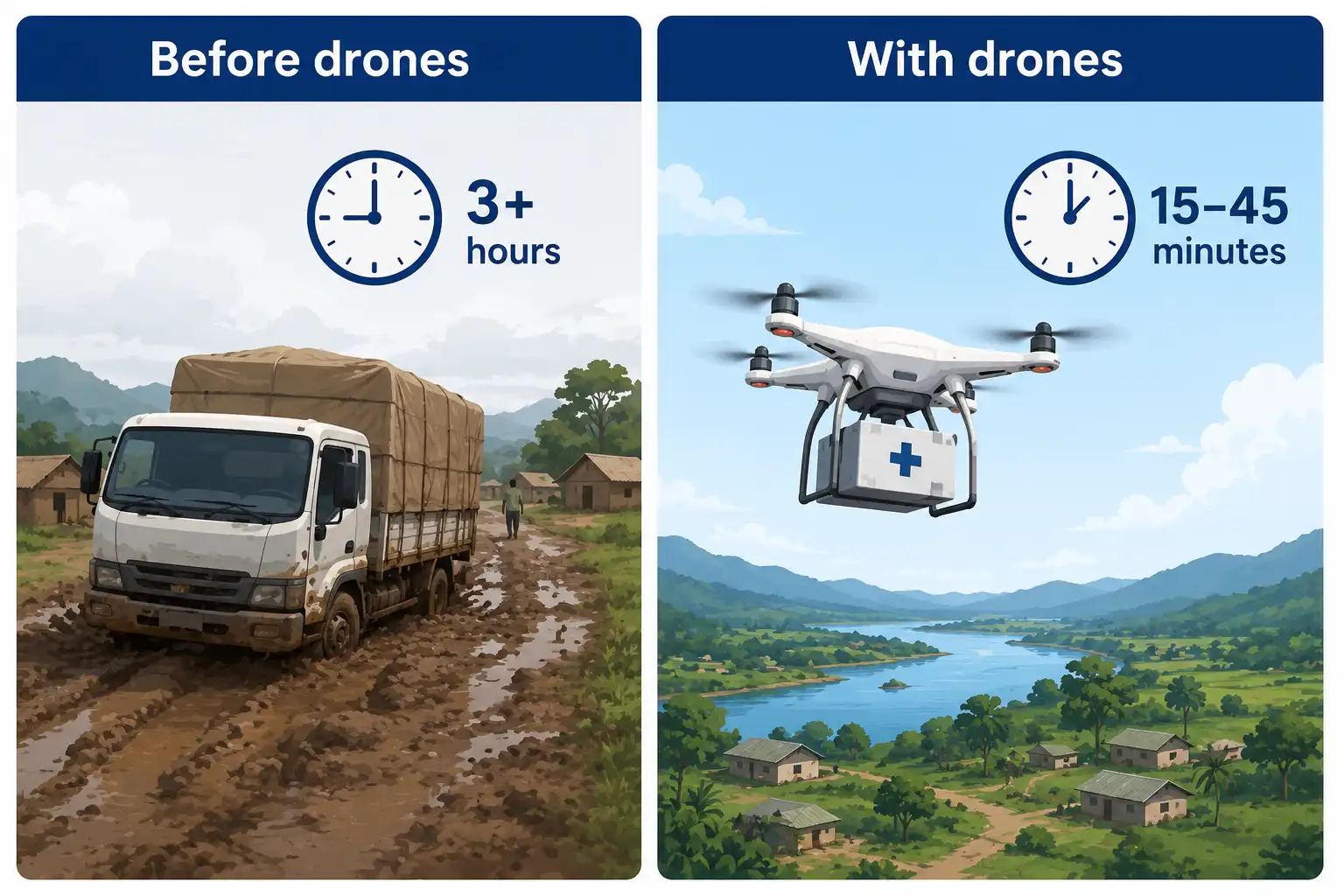
Rwanda built the template. In 2016, the country launched the world’s first nationwide medical drone distribution network with Zipline, cutting emergency delivery times from several hours down to fifteen to forty five minutes, according to African Leadership Magazine’s reporting on medical drones. That model has since spread to Ghana, Nigeria, Kenya, and Côte d’Ivoire.
A Network Built Around Rural Reality
Because so many rural clinics sit hours from the nearest city by road, drones solve a problem that better roads alone cannot fix quickly. Zipline’s fleet now serves more than 4,800 health facilities, reaching an estimated 49 million people across five African countries, based on figures reported by the Stanford Social Innovation Review’s case study on Zipline. Therefore, a facility that once kept large, wasteful stockpiles of blood and vaccines can now order small batches on demand.
This means fewer expired doses, fewer stockouts, and faster response during outbreaks. In practice, health workers spend less time chasing supplies and more time treating patients.
Measurable Outcomes, Real Limitations
A 2026 study of 696 Ghanaian healthcare professionals found that facilities in the Ashanti Region using drone delivery reported a 56.4 percent drop in maternal deaths compared with facilities without it. However, the same research found that 68 percent of respondents flagged high operating costs as a serious barrier to expanding the programme further.
This means drones are not a substitute for stronger health systems. They are a genuine accelerant, but only when paired with proper funding and staff training. That nuance matters for any government weighing whether to scale a pilot into a national programme.
Precision Farming: Drone Technology Reshaping African Agriculture
Agriculture employs roughly 65 percent of Sub-Saharan Africa’s labor force, yet average yields remain well below global norms because of limited access to precision tools, based on Food and Agriculture Organization figures. This is exactly the gap that agricultural drones are built to close.
From Spraying to Soil Health
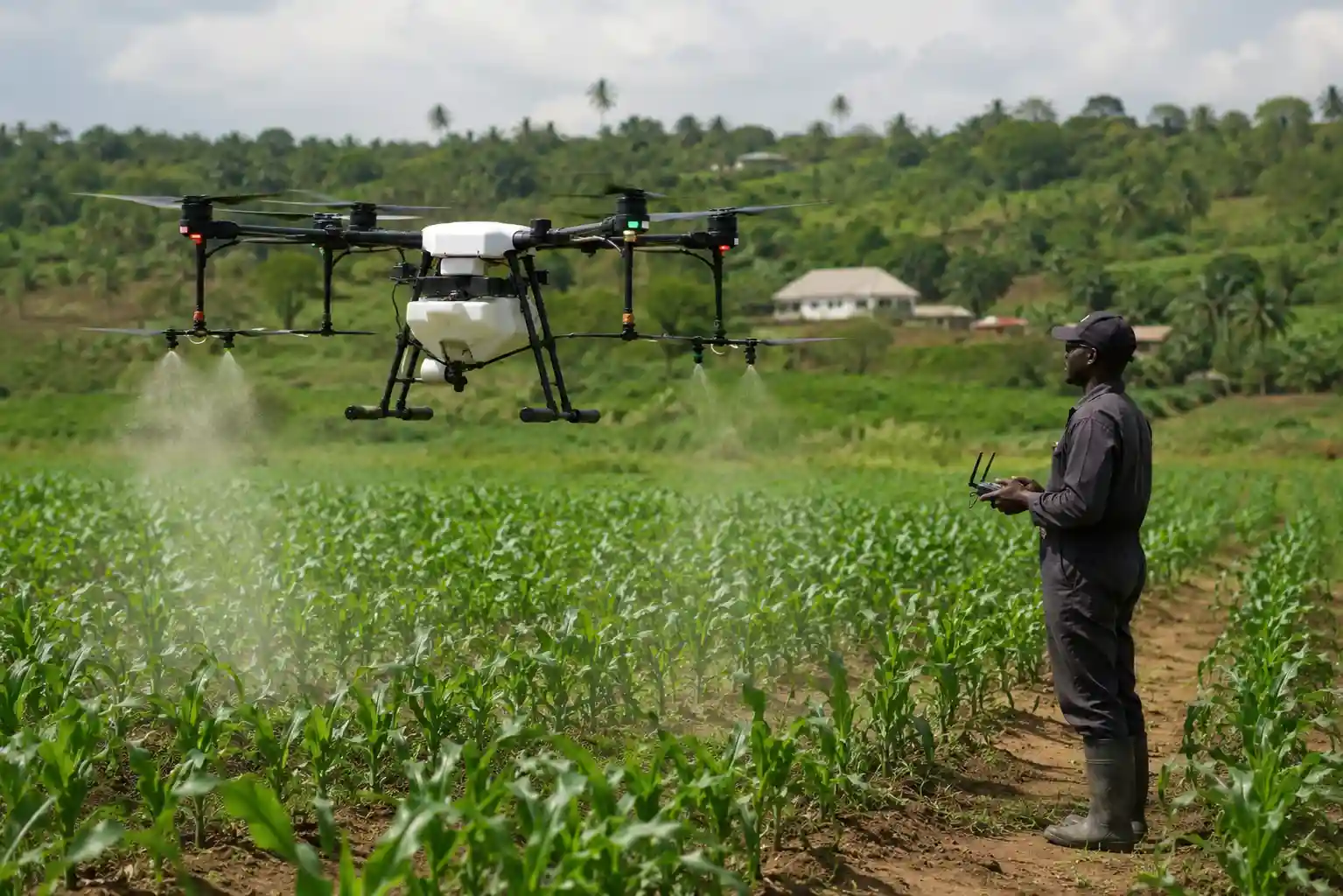
Modern spraying drones use GPS mapping and variable rate technology to apply fertilizer and pesticide only where a field needs it. This cuts chemical waste and lowers cost per hectare compared with manual spraying. Nigerian firm WeFly Agritech and South African company Aerobotics have both built businesses around this exact use case, deploying multispectral imaging to spot crop stress before it is visible to the naked eye.
Also, soil and irrigation monitoring is expanding quickly. Farmers can now catch nutrient deficiencies and water stress weeks before a human scout would notice them on foot.
The Rise of Drone as a Service
Because full drone ownership is expensive, many African farmers now access this technology through subscription or per-acre service models instead of buying hardware outright. This approach removes the upfront capital barrier that kept most smallholders out of precision agriculture. The Middle East and Africa agriculture drone market was valued at 195.5 million US dollars in 2025 and is projected to reach 476.3 million US dollars by 2031, a compound annual growth rate of 16 percent, according to Mordor Intelligence’s regional market forecast.
The result is a farming sector that increasingly rents intelligence rather than buying machines. This is a meaningful shift for cooperatives that could never justify owning a fleet themselves.
Protecting Wildlife With Drones Across the Continent
Conservation is a quieter but no less important frontier. Kenya Wildlife Service has expanded its use of drones for surveillance, tracking, and anti-poaching operations across national parks including Tsavo, combining aerial patrols with AI-enabled monitoring platforms, as reported by Nairobi Law Monthly’s coverage of Kenya’s anti-poaching technology.
Thermal drones now track animal movement at night, when poaching risk is highest. In Namibia and Botswana, drones have largely replaced costly manned aircraft for aerial wildlife surveys of elephants and giraffes.
This means rangers can cover terrain in minutes that once took hours on foot. The technology does not replace ranger patrols, but it multiplies what a small team can monitor. That force multiplier effect matters enormously across parks the size of small countries.
The Business of Drone Technology in Africa: Market Growth
Money is following the mission. The global agriculture spraying drone market alone reached 1.42 billion US dollars in 2024 and is projected to expand to 6.16 billion US dollars by 2033, a growth rate of 22.8 percent a year, according to Farmers Review Africa’s market analysis.
Here is a simple breakdown of how different segments compare.
- Middle East and Africa agricultural drones: 195.5 million US dollars in 2025, projected to reach 476.3 million US dollars by 2031, a 16.0 percent annual growth rate.
- Global agriculture spraying drones: 1.42 billion US dollars in 2024, projected to reach 6.16 billion US dollars by 2033, a 22.8 percent annual growth rate.
- South Africa agritech and precision farming drones: valued at roughly 1.2 billion US dollars, with continued expansion expected as government agritech funding rolls out.
These numbers should be read carefully. Africa still accounts for a small slice of the global total, roughly 5.8 percent of the worldwide agriculture drone market by revenue. Even so, the region’s growth rate outpaces many mature markets, which signals room to expand fast from a low base.
Regulation: The Rules Shaping Drone Technology in Africa
Every country writes its own rulebook, and that patchwork is one of the biggest operational headaches for cross-border operators. Rwanda’s Civil Aviation Authority introduced a three tier permit system in early 2026, separating recreational flights, standard commercial permits, and Beyond Visual Line of Sight operations that need a demonstrated safety case, according to industry guidance on East African drone rules.
Country by Country Differences
Kenya raised its minimum commercial flight training requirement from 20 to 40 hours in February 2026 and extended the advance notice period for foreign operators. South Africa runs one of the continent’s strictest frameworks under Part 101 of its Civil Aviation Regulations, with penalties reaching 50,000 rand or ten years imprisonment for serious violations.
Meanwhile, Ethiopia requires both an aviation permit and a separate security clearance, a process that can take weeks or months. This means a company operating across three or four African countries may be managing three or four entirely different compliance regimes at once.
Because of this fragmentation, industry groups such as the African Drone Forum are now pushing for harmonized rules on Unmanned Traffic Management and BVLOS flight, ahead of a dedicated regulators forum planned for September 2026 in Nairobi. Coordinated policy, not just better hardware, may end up being the deciding factor in how fast adoption spreads.
Challenges Still Holding Back Wider Adoption
Cost remains the largest obstacle. High initial and operational costs were the top concern for 68 percent of healthcare workers surveyed in Ghana, and similar cost pressure shows up in South African agritech, where drone hardware alone can run from 100,000 to 500,000 rand per unit.
Also, connectivity gaps complicate operations in the field. Zipline’s own operators in northern Ghana found that customers preferred simple SMS notifications over an app, because reliable internet access could not be assumed.
Finally, donor dependency creates fragility. Programmes that rely heavily on international funding can stall the moment that funding shifts, which is why researchers increasingly call for locally owned financing models rather than short term grants.
Jobs, Skills, and the African Drone Workforce
Behind every delivery flight sits a growing workforce of local pilots, technicians, and data analysts. Because most African countries now require certified remote pilot licenses for commercial operation, training academies have become a genuine growth industry in their own right.
This creates a skills pipeline that did not exist a decade ago. University programmes in Ghana, Kenya, and Rwanda increasingly study drone logistics as a distinct field of operations research, not just a novelty technology.
The Future of Drone Technology in Africa
Expect three trends to define the next few years. First, Beyond Visual Line of Sight approval will expand gradually, letting drones fly further from a home base without a pilot keeping visual contact. Second, regional harmonization efforts will slowly reduce the compliance burden on operators working across borders.
Third, financing models will keep shifting from donor grants toward blended public private partnerships and subscription services. This is the pattern already visible in agriculture, where Drone as a Service is growing faster than outright equipment sales.
What Drone Technology in Africa Really Proves
Drone technology in Africa did not succeed because it was flashy. It succeeded because it solved a boring, stubborn problem: getting the right supply to the right place before it was too late. That is true in a maternity ward in the Ashanti Region, on a smallholder’s plot in Nigeria, and above a ranger station in Tsavo.
The lesson for other regions is not that drones are magic. It is that targeted technology, paired with public sector partnership and patient financing, can leapfrog decades of missing infrastructure. Africa did not wait for perfect roads. It built a parallel network in the sky instead.
None of this is finished business. Costs need to fall further, regulations need to align across borders, and financing needs to move beyond donor dependency. But the direction is set, and the two million deliveries already completed are proof that this is now core infrastructure, not experiment.
Anyone tracking African technology should watch this sector closely over the next two years, particularly as BVLOS rules loosen and as the continent’s drone market data continues to update. The next chapter will likely be written in farming, not just in healthcare.
Frequently Asked Questions
What is drone technology mainly used for in Africa?
The two biggest uses are medical supply delivery and agricultural spraying or monitoring. Wildlife conservation and infrastructure inspection are fast growing secondary uses.
Which African country leads in medical drone delivery?
Rwanda pioneered the model in 2016 and remains the benchmark, though Ghana now runs one of the largest networks by facility count.
How much does the African drone market grow each year?
Regional agriculture drone segments are growing between 16 and 27 percent a year depending on the specific market and country, according to multiple industry forecasts cited above.
Is it legal to fly a commercial drone across African countries?
Yes, but each country sets its own licensing, registration, and airspace rules. Operators working across borders must secure separate approvals in each jurisdiction.
Do drones actually reduce healthcare costs in Africa?
They reduce waste from expired stock and cut emergency response time, but operating costs remain high enough that many programmes still depend on donor or government subsidy.
What is the biggest barrier to drone adoption in African agriculture?
Upfront hardware cost is the main barrier for smallholder farmers, which is why Drone as a Service subscription models are growing faster than direct drone sales.

Prince Anichi
Founder and Lead Technology Editor at Ortechy. Covering digital economy shifts, tech ecosystems across Africa, cybersecurity intelligence, and emerging software platforms.