AFRICA'S TECHNOLOGY INTELLIGENCEIndependent perspectives on what moves us forward.
HomeCybersecurity
THE ORTECHY ARCHIVE / 16 STORIES

Cybersecurity

Original reporting, clear perspectives, and essential stories in cybersecurity.

ALL STORIES01 — 16
Cloud phones cybercriminals 2026 editorial illustration showing a transparent virtual smartphone hovering above financial documents with electric blue data streams representing how cloud phones are used in financial fraud bypassing bank detection systems

Cloud Phones: The New Secret Weapon of Cybercriminals in 2026

Cloud phones are virtual Android devices that generate genuine hardware fingerprints, making them invisible to bank fraud detection systems. Cybercriminals rent them for $0.10 per hour to create fake accounts, execute payment fraud, and move billions undetected. This guide explains how cloud phone fraud works and how to protect yourself.

Read story
What is social engineering in cyber security illustration showing a hand holding a white theatrical mask with digital circuit patterns representing how attackers disguise themselves as trusted individuals to manipulate victims

What Is Social Engineering in Cyber Security?

Social engineering is the attack method behind 98 percent of all cyberattacks and the factor in 60 percent of all data breaches globally. It does not exploit software. It exploits people. This complete guide explains what social engineering is in cyber security, how every major attack type works including phishing, vishing, pretexting and the new AI-powered ClickFix technique, why these attacks succeed so consistently, and the six-layer defence strategy that protects individuals and organisations in 2026.

Read story
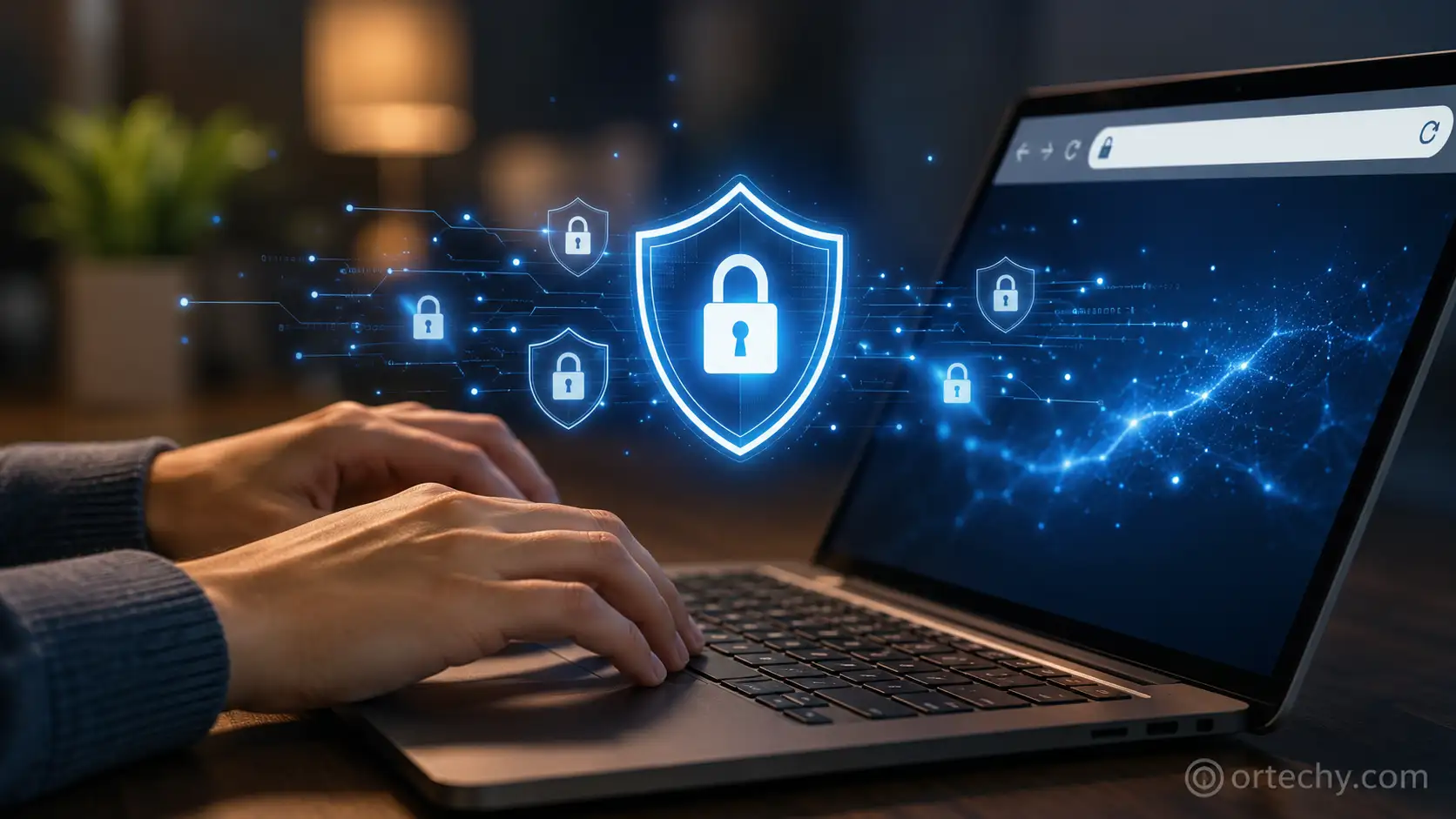
How to protect your personal data online showing hands typing on a laptop with floating security shield and padlock icons representing online privacy protection tips for 2026

How to Protect Your Personal Data Online

Protecting your personal data online in 2026 requires more than a strong password. This guide covers 12 proven steps including two-factor authentication, VPNs, encrypted messaging, and browser privacy tools that keep your information out of the wrong hands.

Read story