I Revisited Apple AirPods Pro 2 in 2026 And Here’s What Surprised Me
I bought the Apple AirPods Pro 2 in late 2022. Back then, I expected them to be excellent for a year, acceptable for a second, and quietly outpaced by year three. That is not what happened. In June 2026, after spending several weeks testing the newer AirPods Pro 3, I picked the second-generation model back up and something caught me off guard. Features I did not have the last time I had really paid attention were now sitting in my settings menu. The audio pipeline had been quietly updated. The things I do most often with earbuds listening to podcasts during a long commute, taking calls in a noisy coffee shop, falling asleep to an audiobook now felt noticeably better than I remembered.
That curiosity became this article. The AirPods Pro 2 are three years old. They have been discontinued as Apple’s flagship earbuds. The AirPods Pro 3 exists and brings real improvements. And yet, the AirPods Pro 2 in 2026 is arguably the most feature-complete version of itself that has ever existed, thanks to a sequence of free firmware and software updates that added capabilities nobody expected when the earbuds shipped in September 2022. This is the full picture of what those updates brought, how the AirPods Pro 2 holds up against current competition, and whether buying them in 2026 is a smart decision or a missed opportunity.
What Made the AirPods Pro 2 Different to Begin With
When Apple launched the AirPods Pro 2 at its “Far Out” event in September 2022, the headline upgrades over the original AirPods Pro were meaningful but not dramatic on paper. The new H2 chip replaced the H1. Active noise cancellation improved by up to double the original’s performance. Battery life increased from 4.5 hours to 6 hours with ANC active. A new low-distortion driver and custom amplifier improved audio quality across the frequency range. Personalized Spatial Audio arrived for the first time, using the TrueDepth camera on iPhone to scan your ear shape and build a custom head-related transfer function. And Adaptive Transparency Mode which lets outside sound in while simultaneously processing the audio feed 48,000 times per second to reduce sudden loud noises, replaced the simpler transparency mode of the original.
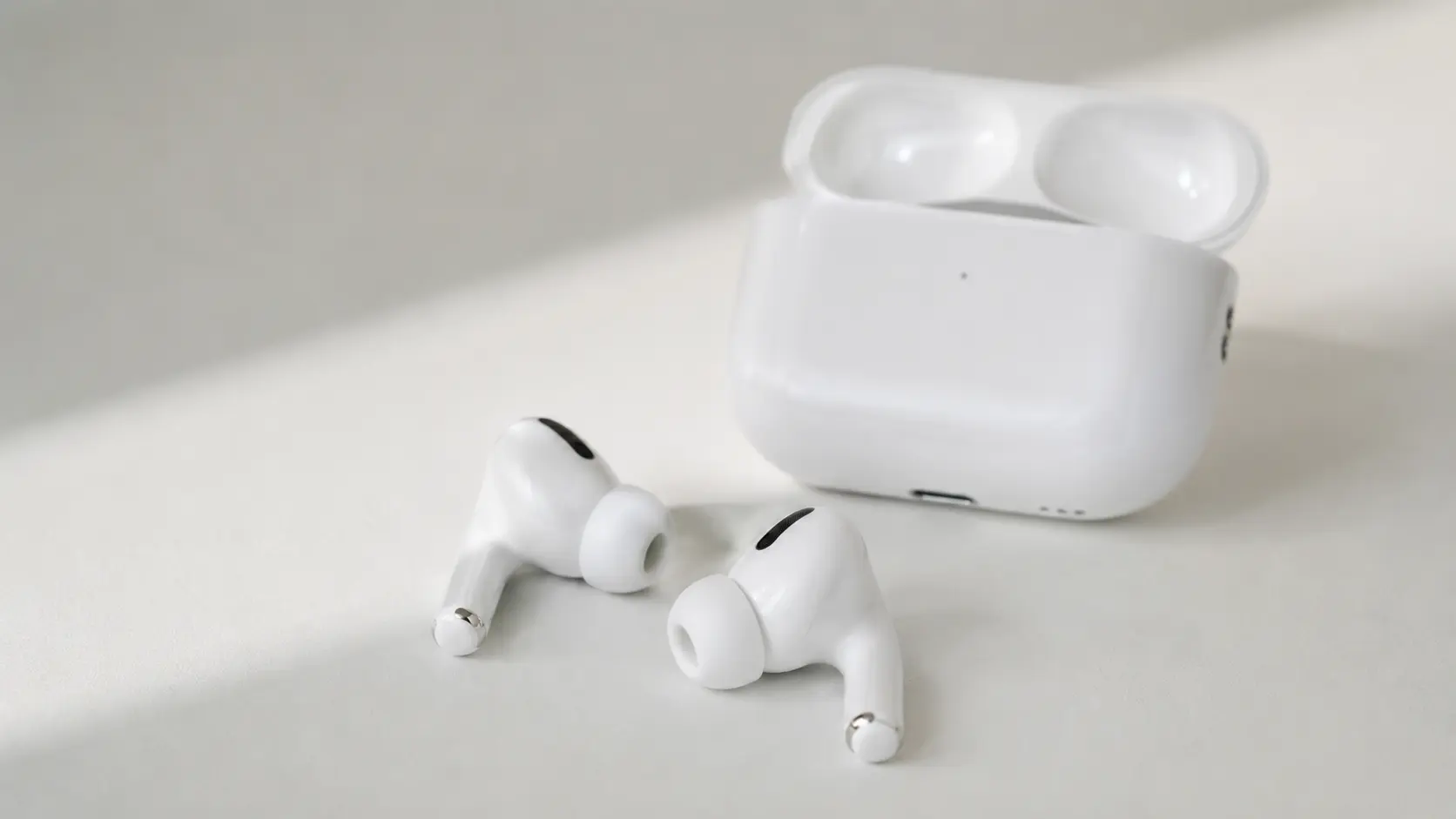
The design changed very little. The short-stem silhouette, soft silicone ear tips in four sizes, and IPX4 sweat-and-water resistance rating were all carried over. In 2023, Apple updated the charging case from Lightning to USB-C to align with the iPhone 15’s connector change, but the earbuds themselves remained physically identical. The USB-C version also added MagSafe compatibility to the case alongside standard Qi wireless charging. At launch and through to today, the AirPods Pro 2 retail at $249, though the discontinued status of the model means third-party retailers now sell them considerably below that price.
What nobody fully appreciated at launch was that the H2 chip had headroom that Apple had not yet used. The chip’s computational capability was the foundation that made everything that came after possible, including features that arrived two and three years after the hardware shipped.
Sound Quality: Honest and Balanced, Three Years On
Before addressing the software updates, the hardware deserves a fair assessment in 2026 terms. The AirPods Pro 2 produce a sound signature that is balanced, natural, and forgiving across genres. Bass response is present and warm without being exaggerated or one-dimensional. Midrange frequencies, where vocals, guitars, and most speech content lives are clear, forward, and well-separated from the low end. Treble is extended enough to deliver detail and air without the sharpness that causes listener fatigue over long sessions.
For the majority of what people actually use earbuds for in 2026, a mixed daily diet of music, podcasts, video calls, and streamed content, this tuning is well-matched to real life. It flatters a wide range of source material without demanding a specific genre or mastering style to sound good. Dedicated audiophiles who prioritize a more aggressively sculpted or energetic sound signature may find competing earbuds from Sony more exciting. But for honest, consistent, all-day listening, the AirPods Pro 2 tuning holds up.
Personalized Spatial Audio remains one of the most underrated features in the lineup. Once you have completed the ear-geometry scan through the iPhone’s front camera, the system builds a custom HRTF profile that adjusts how sound is placed spatially around you based on the exact shape of your ears. The effect is most noticeable on Spatial Audio tracks in Apple Music, immersive content in Apple TV+, and supported games, where the difference between a generic spatial profile and one tuned to your specific anatomy creates a more natural sense of sound coming from specific directions outside your head rather than from inside it. Over three years, Apple has also continued refining the Personalized Spatial Audio algorithms through software, meaning the feature is more accurate and natural-sounding in 2026 than it was at launch.
Active Noise Cancellation: Where It Stands in a More Competitive Market
Noise cancellation is the area where the AirPods Pro 2 has always earned its price tag, and in 2026 it remains genuinely competitive even if it no longer leads the category outright. SoundGuys’ standardized lab testing measured the AirPods Pro 2 at approximately 83 percent noise reduction, a figure that places them firmly in the top tier for earbuds at their current market price.
The AirPods Pro 3, which launched in September 2025, scores approximately 90 percent noise reduction in those same tests, and Apple states the newer model cancels twice as much noise as the Pro 2. Those numbers are accurate. But what the raw comparison does not convey is how the 83 percent figure actually feels in daily environments. On a commuter train, in an open-plan office, during a long-haul flight, or in a busy coffee shop, the AirPods Pro 2 mutes the environment in the way that matters. The 7-percentage-point gap is measurable under controlled laboratory conditions and is rarely the deciding factor in a daily commute.
ANC performance depends heavily on fit. Apple includes four sizes of silicone ear tips — XS, S, M, and L — and an Ear Tip Fit Test in iOS helps you confirm you have the right seal before relying on noise cancellation. Without a proper seal at the ear canal entrance, both ANC effectiveness and bass response drop significantly. If the ANC on your AirPods Pro 2 feels underwhelming, sizing down on the ear tips is the first thing to try before assuming any hardware limitation.
Adaptive Transparency Mode deserves its own mention because it is the feature that has improved most noticeably through firmware updates over the years. In 2022, transparency mode was good. In 2026, it is remarkable. The processing has become refined enough that listening in Adaptive Transparency sounds very close to simply not wearing earbuds, ambient sound comes through naturally, conversation frequencies are preserved clearly, and sudden loud sounds like vehicle horns or construction bursts are reduced before they reach your ears. Apple’s claim that the system processes the audio feed 48,000 times per second gives a sense of the computational work happening invisibly with every moment of use.
The iOS 26 Firmware Update: Seven Features Added for Free
In September 2025, Apple released firmware build 8A356 for the AirPods Pro 2, tied to the launch of iOS 26. This update was the most significant software addition the earbuds had received since their launch, and it brought a set of features that previously existed only on newer or more expensive hardware. Apple’s official firmware documentation confirmed all seven features for the AirPods Pro 2. Every one of them arrived at no cost, on hardware that was already three years old.
1. Live Translation for In-Person Conversations
Live Translation is the most significant single feature Apple has ever added to existing AirPods through a software update. Powered by Apple Intelligence, the feature enables real-time translation of in-person conversations between two people speaking different languages. Currently supported languages include English, Spanish, French, German, and Portuguese. To start a session, you press both AirPods stems simultaneously. The ANC system then lowers the ambient volume slightly so you can focus on the translated audio coming through the earbuds. 9to5Mac confirmed that the translation process runs on-device when possible, meaning your conversation is not sent to a remote server. For travelers, people who work across language boundaries, and anyone navigating a foreign country, this is one of the most practically useful features Apple has shipped in recent years. Live Translation requires an Apple Intelligence-enabled iPhone running iOS 26.
2. Sleep Detection with Automatic Media Pause
The AirPods Pro 2 can now detect when you fall asleep and automatically pause whatever you are listening to. The detection works through subtle changes in the movement patterns and audio behavior captured by the earbuds’ sensors. For music playback, this is a minor convenience. For podcasts, audiobooks, and long-form documentary audio, where missing content because you drifted off creates a genuine frustration, Sleep Detection solves a real problem without requiring any manual input. You enable it under AirPods settings as Pause Media When Falling Asleep.
3. Studio-Quality Audio Recording
Apple applied its computational audio pipeline to the AirPods Pro 2’s beamforming microphone array for recordings made in the Camera app, Voice Memos, and Messages dictation. The practical result is noticeably cleaner vocal recordings — reduced room noise, more consistent levels, and better vocal texture and clarity. MacRumors verified the improvement applies across camera recording, voice memos, and dictation in Messages. For anyone who records interviews, social content, voice notes, or quick video narration on their iPhone, this update turns the AirPods Pro 2 into a meaningfully better recording microphone without any new hardware investment.
4. Camera Remote
Pressing and holding the AirPods Pro 2 stem now triggers the iPhone camera, either taking a still photo or starting a video recording, configurable in Settings. The feature solves the practical problem of capturing photos or video of yourself from a distance without needing a physical remote or timer. It works reliably in everyday conditions and responds to the stem press with low latency.
5. Improved Phone and Video Call Quality
Both sides of every phone and video call benefit from the iOS 26 audio improvements. The person calling you hears a cleaner, more natural version of your voice with less background noise picked up. Incoming audio arrives with more natural clarity and fewer compression artifacts. In environments where call clarity matters most, crowded public spaces, moving vehicles, windy outdoor settings, the improvement is consistent and practically meaningful.
6. Battery Charging Notifications
The AirPods Pro 2 now send alerts when the earbuds are fully charged and when the battery level drops below 20 percent. It is a small quality-of-life improvement that removes one of the minor friction points of wireless earbud ownership, never being quite sure whether you need to charge before a long day.
7. Keep Audio in Headphones
iOS 26 added a setting that prevents your audio from switching automatically to a nearby external device — a car Bluetooth system, a HomePod, or another Apple device when you want the sound to stay in your earbuds. For anyone who has experienced music unexpectedly blasting through a car speaker when they just sat down and wanted to keep listening privately through their AirPods, this setting resolves the issue cleanly.
The Hearing Health Features: A Category-Defining Update
If the iOS 26 update was the headline surprise of revisiting the AirPods Pro 2 in 2026, the Hearing Health suite that arrived in October 2024 is the deeper and more important story and it still does not receive enough attention relative to its significance.
Following Apple’s announcement at its September 2024 “Glowtime” event, the AirPods Pro 2 received three features through firmware update 7B19 that placed them in a product category no consumer earbuds had previously occupied. The features received FDA approval in September 2024 and arrived through an automatic firmware update in October 2024, requiring iOS 18.1 or later.
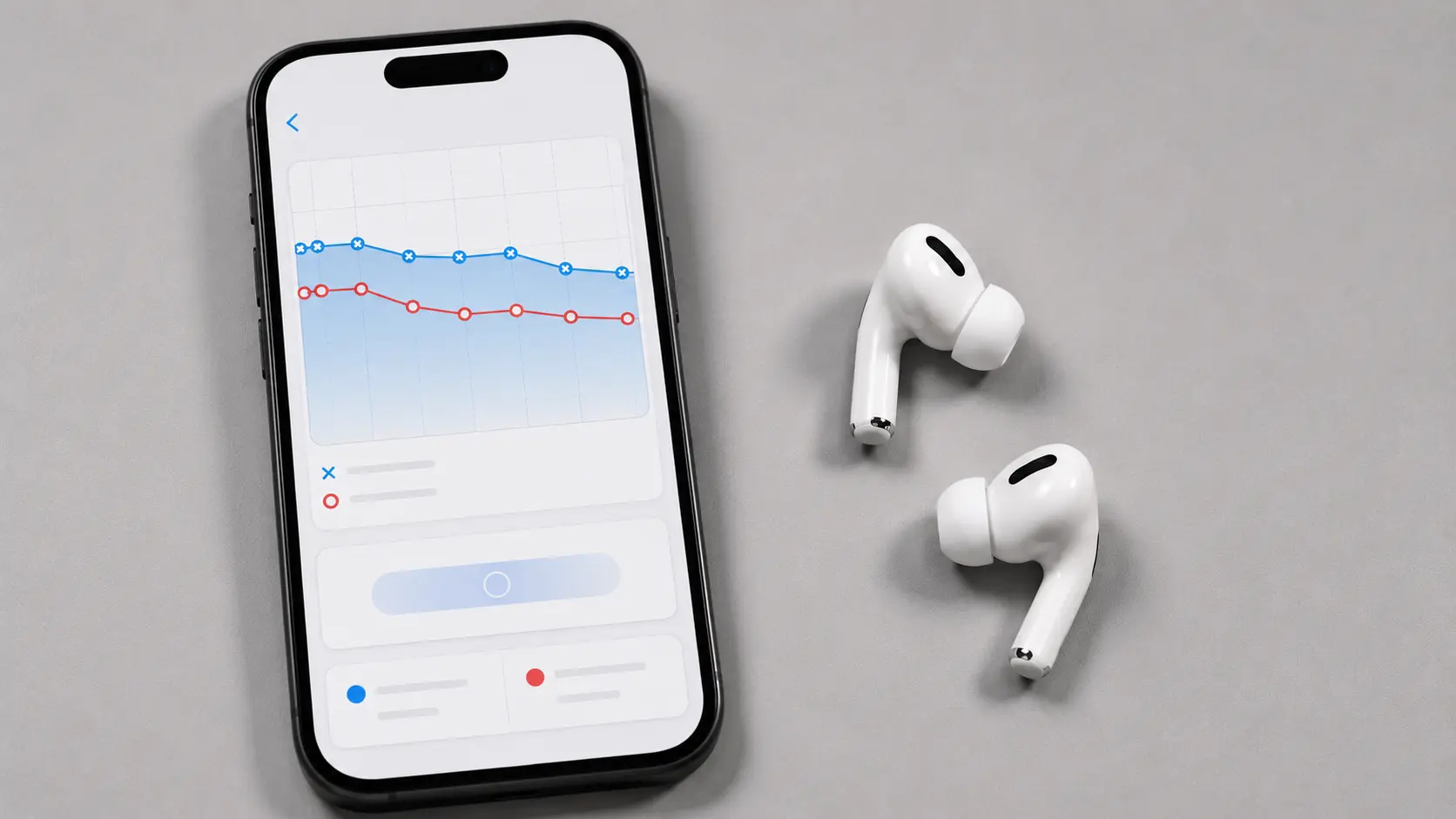
Hearing Test
The AirPods Pro 2 can administer a clinical-style audiometric hearing test directly inside the iOS Health app, using the earbuds themselves as the test hardware. The test plays tones at varying frequencies and volumes across both ears and maps your hearing sensitivity to produce an audiogram , the same type of result produced by a clinical hearing evaluation. Results are stored in your Health profile, can be tracked over time, and can be shared with an audiologist or healthcare provider as a preliminary reference point. According to AppleInsider’s coverage of the firmware release, the test is designed for users 18 and older and is not a replacement for a clinical audiology appointment, but as an accessible, zero-cost screening tool available on hardware millions of people already own, its availability is significant.
Hearing Protection
Hearing Protection monitors the loudness of your environment and your media in real time and automatically reduces sounds that exceed safe exposure thresholds. It works silently in the background across all listening modes — ANC, Transparency, and off — without requiring any manual intervention after initial activation. The feature is available in the United States and Canada, as confirmed by Apple’s support documentation. This is the kind of passive, invisible protection that hearing health professionals have advocated for years and that consumer technology has now made automatic for millions of users.
Hearing Aid Mode
This is the feature that most changes the value proposition of the AirPods Pro 2 in 2026. Following FDA approval as an over-the-counter hearing aid, the earbuds can now function as a clinical-grade hearing assistance device for users aged 18 and older with perceived mild to moderate hearing loss. The Hearing Aid feature applies a personalized amplification profile based on the results of the Hearing Test, automatically adjusting the audio environment across all contexts from one-on-one conversations, television, restaurants, and phone calls to compensate for the user’s specific hearing profile.
To understand why this matters beyond the technology itself: a traditional prescription hearing aid in the United States costs between $2,000 and $7,000 per pair. The over-the-counter hearing aid market brought that figure down to roughly $500 to $1,500 for dedicated devices. The AirPods Pro 2, available now at well below $200 at many third-party retailers, delivers the same FDA-approved function within a consumer product that people use daily for music, calls, and media. For the 1.5 billion people globally living with some degree of hearing loss, many of whom have never been able to access hearing assistance due to cost, this is a meaningful accessibility development embedded in a mainstream product.
Battery Life: Realistic Numbers for Everyday Use
Battery life is the area where the AirPods Pro 2 shows its age most clearly when compared directly to the newer generation, and it is worth stating the real numbers plainly. With active noise cancellation running, the earbuds deliver approximately six hours of continuous listening on a single charge. Disable ANC and that figure extends to around eight hours. The charging case provides enough reserve power to bring the total combined listening time to approximately 30 hours.
That 30-hour total is one of the AirPods Pro 2’s concrete advantages over the newer model. The AirPods Pro 3 delivers better per-charge earbud life, approximately 8 hours and 40 minutes with ANC on, according to SoundGuys’ standardized testing but its charging case holds less reserve power, bringing the combined total to approximately 24 hours. For travelers managing long journeys with limited access to charging, and for anyone who charges their case every few days rather than nightly, the Pro 2’s larger total reserve is a genuine practical advantage.
Fast charging is supported on both generations. Five minutes inside the charging case delivers approximately one hour of listening, a meaningful quick-charge capability that handles the most common “I forgot to charge these last night” scenario efficiently. Charging options cover USB-C wired, MagSafe wireless, standard Qi wireless, and Apple Watch charger compatibility, making the case easy to top up from almost any power source you encounter during a typical day.
One honest limitation is that six hours of ANC-on listening is shorter than some competing earbuds at a similar price point. The Sony WF-1000XM5, for example, delivers eight hours with ANC active. If you regularly take very long, uninterrupted listening sessions, four to six hours continuously without reaching for the case, the per-charge earbud life of the AirPods Pro 2 may occasionally require an interruption that competitors would not. For most people whose listening comes in shorter, varied sessions throughout the day with regular case contact, the six-hour figure is rarely encountered as a hard limit.
AirPods Pro 2 vs. AirPods Pro 3: The Honest Comparison
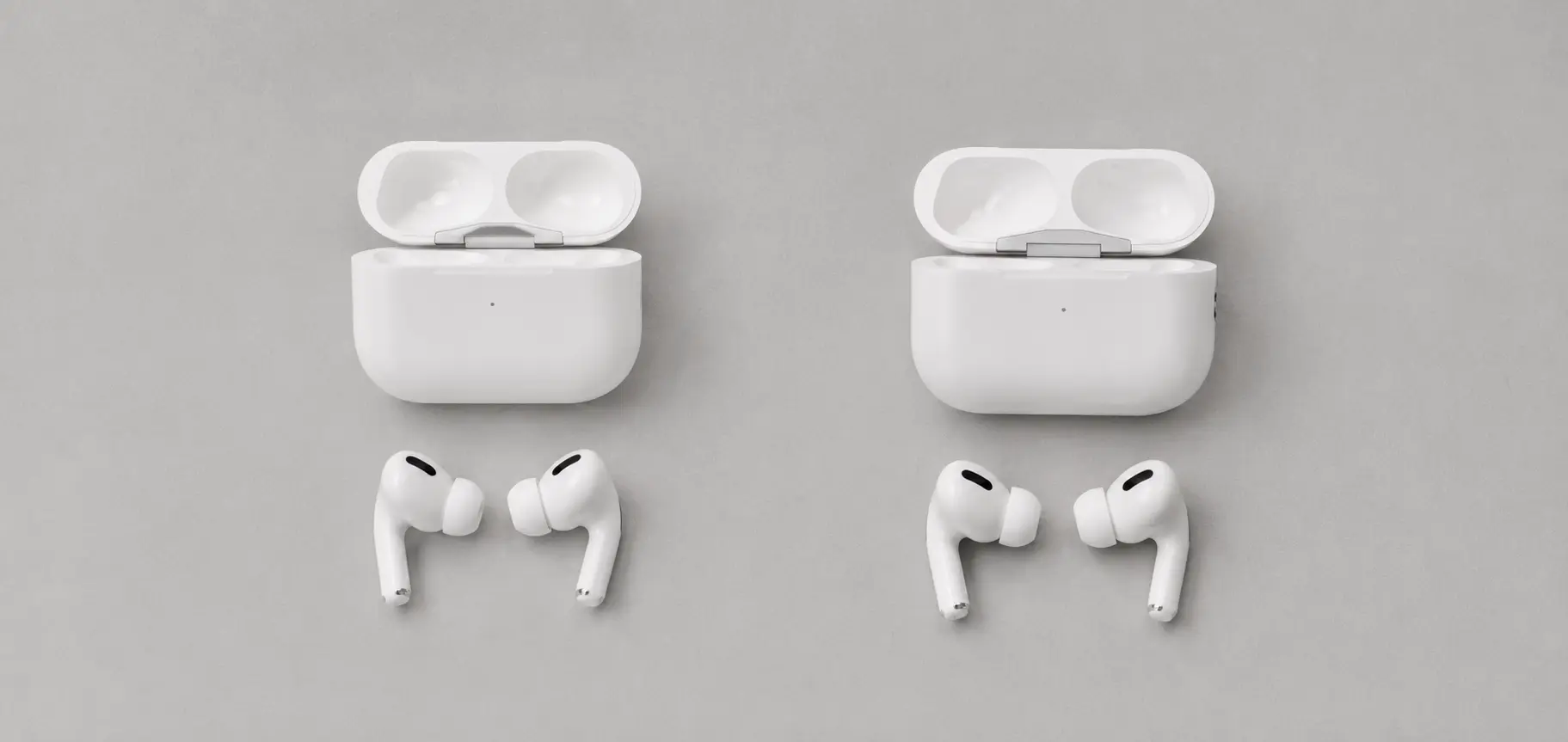
The AirPods Pro 3 launched in September 2025 at $249, the same price the Pro 2 launched at three years earlier. It brought a redesigned fit, heart-rate monitoring via LED sensors that sync with the Apple Fitness app, ANC performance that Apple says removes twice as much noise as the Pro 2, longer per-charge earbud battery life, and an improved IP57 water resistance rating that allows the earbuds to survive brief submersion. TechCrunch confirmed heart-rate tracking as the standout new capability, operating similarly to the Powerbeats Pro 2’s sensor system.
The AirPods Pro 3 is the better technical product. That assessment is not controversial. But the conversation in 2026 is more nuanced than a direct specification comparison suggests, for one central reason: the AirPods Pro 2 has been discontinued by Apple as the flagship, which means it is now available at third-party retailers at significantly reduced prices and the two generations share most of the feature list.
MacRumors noted in their buyer’s guide that the AirPods Pro 2 “continue to get new features such as Live Translation and share the same chip as the AirPods Pro 3” and remain “a solid device.” The shared H2 chip is the core reason the two generations overlap so heavily on the feature list. Both now support Live Translation, Sleep Detection, studio-quality recording, Camera Remote, improved call quality, Hearing Test, Hearing Aid, Hearing Protection, and Personalized Spatial Audio. The meaningful differentiators for the Pro 3 are stronger ANC, longer earbud battery life, the IP57 rating, and the heart-rate sensor.
According to RTINGS.com’s side-by-side analysis, the AirPods Pro 2 “still have stellar noise cancellation, even if it’s not the best on the market” and the lower price point makes them “a better value pick for many” buyers. That is the operating reality in 2026. If the three specific Pro 3 advantages like better ANC, longer earbud battery, and heart-rate monitoring matters to your use case, the newer model is the right choice at $249. If they do not, the AirPods Pro 2 at its current market price delivers the vast majority of the Pro 3’s feature set at a meaningfully lower cost.
The Apple Ecosystem Advantage and Its Clear Limits
The AirPods Pro 2 performs at its best within Apple’s ecosystem, and understanding the scope of that integration helps set the right expectations before buying. Within the Apple ecosystem, the experience is seamless in ways that competing earbuds from other manufacturers cannot fully replicate. One-tap pairing through iCloud, automatic switching between iPhone, iPad, Mac, and Apple TV based on what is actively playing audio, Siri integration for hands-free control, Find My case locating that shows the precise location of the charging case on a map, and the Health app integration for Hearing Health features all work because Apple controls both the hardware and the software layers simultaneously.
On Android, the AirPods Pro 2 function as standard Bluetooth earbuds and the experience changes significantly. Automatic device switching, Siri, Find My, Hearing Health features, Live Translation, Personalized Spatial Audio, and most gesture customization options are unavailable. The earbuds still produce good sound and deliver active noise cancellation, but at that point competing earbuds from Sony, Samsung, and Bose offer comparable or better overall feature sets for Android users. The AirPods Pro 2 is a compelling product for iPhone users. For anyone whose primary device is Android, the calculus is different enough to warrant a different recommendation entirely.
The iOS 26 features also carry a specific hardware requirement. Live Translation and Sleep Detection both depend on Apple Intelligence, which is available only on iPhone models that meet the hardware threshold for that framework. If you are running an older iPhone that does not support Apple Intelligence, those two features will not be available to you even with the latest firmware. The earbuds still perform well on their core hardware capabilities in that scenario, but two of the more compelling 2025 additions remain out of reach. Checking whether your specific iPhone model supports Apple Intelligence before purchasing is worth doing if those features are part of the appeal.
Fit, Comfort, and Long-Session Wearability
Physical comfort determines whether expensive earbuds live in your ears or in a drawer, and the AirPods Pro 2 handles this well for the majority of ear shapes. The short-stem design with soft silicone ear tips creates a lightweight, secure fit without aggressive insertion depth or pressure. At 5.3 grams per earbud, the weight disappears during most activities, something that heavier over-ear or deep-insertion earbuds cannot claim.
During extended listening sessions of two, three, or four hours of continuous wear, the AirPods Pro 2 holds up comfortably for most users. The shallow insertion depth means the seal sits at the ear canal entrance rather than deep inside, which some people find more comfortable for all-day wear and others find less stable for high-intensity physical activity. The IPX4 sweat and water resistance rating is sufficient for most workouts, commutes in light rain, and general active use, though the AirPods Pro 3’s improved IP57 rating which adds submersion resistance is the stronger choice for anyone who exercises heavily in wet conditions or near water.
The silicone tips can become slick during heavy perspiration, which is the most consistently cited comfort limitation of the AirPods Pro 2 in active use. For high-intensity training sessions, experimenting with the smaller ear tip size to increase mechanical grip, or considering aftermarket foam tips that absorb moisture rather than becoming slippery, addresses this limitation effectively without requiring a hardware upgrade.
Who Should Buy the AirPods Pro 2 in 2026
The question of whether the AirPods Pro 2 makes sense as a purchase in 2026 has a clearer answer than you might expect given their age. The earbuds work best for a specific buyer, and identifying whether you fit that profile simplifies the decision.
The AirPods Pro 2 makes strong sense if you are an iPhone user who wants reliable ANC, Spatial Audio, and the full Hearing Health suite at a price well below what the AirPods Pro 3 commands. The core experience likt the sound quality, noise cancellation, transparency mode, seamless Apple ecosystem integration is excellent and has not degraded. The iOS 26 additions bring Live Translation, Sleep Detection, studio-quality recording, and camera control to hardware that already delivered one of the best ANC experiences in its generation. The 30-hour total battery life with the case exceeds what the newer model’s case provides. And the FDA-approved Hearing Aid feature gives these earbuds a practical utility that goes meaningfully beyond what any pure audio product offers.
The AirPods Pro 2 is the wrong choice if your primary phone is an Android device, since most of the features that justify the price are iOS-exclusive. It is also the wrong choice if heart-rate monitoring during workouts is a priority, since that feature exists only on the AirPods Pro 3. And if you regularly encounter very loud environments where maximum ANC performance is the deciding factor like frequent air travel, urban construction sites, loud manufacturing floors, then the Pro 3’s stronger 90 percent noise reduction performance is worth the additional cost.
For users coming from the original AirPods Pro, the AirPods Pro 2 at its current market price represents a meaningful upgrade across noise cancellation, battery life, transparency mode quality, and the entire Hearing Health and iOS 26 feature set. For users who already own the AirPods Pro 2, the case for upgrading to the Pro 3 rests almost entirely on whether heart-rate monitoring or the longer per-charge earbud battery life materially changes your daily use. For most existing Pro 2 owners, the free software updates have delivered enough new functionality that the upgrade argument is not compelling at the current price difference.
How the AirPods Pro 2 Compares to Non-Apple Competitors in 2026
It is worth placing the AirPods Pro 2 in the context of the broader wireless earbuds market in 2026, not just against Apple’s own newer model. The primary competition at comparable price points comes from Sony’s WF-1000XM5, Samsung’s Galaxy Buds3 Pro, and Bose’s QuietComfort Ultra Earbuds.
Sony’s WF-1000XM5 offers stronger per-charge battery life at eight hours with ANC on, and many audio reviewers rate its sound signature as more engaging and energetic than the AirPods Pro 2’s more neutral tuning. For Android users or those who prioritize maximum battery life per charge, the Sony earbuds are a serious alternative. Samsung’s Galaxy Buds3 Pro integrates deeply with Samsung Galaxy devices in a way that mirrors the AirPods Pro 2’s Apple ecosystem integration, making them a more natural choice for Galaxy phone owners. Bose’s QuietComfort Ultra Earbuds are widely regarded as delivering one of the most immersive spatial audio experiences available from any earbuds and competitive ANC, though their total battery life falls behind the AirPods Pro 2 when the case is included.
None of the competing earbuds offer the combination of FDA-approved Hearing Aid functionality, clinical Hearing Test, and Live Translation that the AirPods Pro 2 now provides. Those three features, all delivered through software updates to existing hardware, give the AirPods Pro 2 a differentiated position in 2026 that goes beyond pure audio performance metrics. For iPhone users, the seamless ecosystem integration and the breadth of the feature set particularly the health-oriented additions, make the AirPods Pro 2 genuinely difficult to match on overall value at its current market price.
Frequently Asked Questions About AirPods Pro 2 in 2026
Are the AirPods Pro 2 still worth buying in 2026?
Yes, for iPhone users, the AirPods Pro 2 remain one of the best-value wireless earbuds available in 2026. The combination of strong ANC, excellent Spatial Audio, the FDA-approved Hearing Health suite, and the iOS 26 features including Live Translation and Sleep Detection creates a feature set that would be considered impressive even on a brand-new product. At their current reduced market price following discontinuation, the value-per-dollar calculation favors the AirPods Pro 2 strongly for buyers who do not specifically need the heart-rate monitoring or the longer per-charge battery life offered by the AirPods Pro 3.
What new features did the AirPods Pro 2 get in 2025 and 2026?
The AirPods Pro 2 received seven significant features through the iOS 26 firmware update in September 2025, including Live Translation for real-time in-person language translation, Sleep Detection with automatic media pause, studio-quality audio recording improvements, Camera Remote functionality, improved phone and video call quality, battery charging notifications, and the Keep Audio in Headphones setting. These additions came entirely through software and required no hardware changes to the earbuds.
Can the AirPods Pro 2 be used as a hearing aid?
Yes. The AirPods Pro 2 received FDA approval as an over-the-counter hearing aid in September 2024, making them one of the first mainstream consumer earbuds to achieve this designation. The Hearing Aid feature provides personalized amplification tuned to the results of the built-in Hearing Test and is intended for users 18 years of age or older with perceived mild to moderate hearing loss. The feature arrived through firmware update 7B19 in October 2024 and is available to all AirPods Pro 2 owners with compatible iPhones running iOS 18.1 or later.
Do the AirPods Pro 2 work with Android phones?
The AirPods Pro 2 connect to Android phones as standard Bluetooth earbuds, but most of their distinctive features require an iPhone. Live Translation, Hearing Health features, Personalized Spatial Audio, automatic device switching, Find My, Siri, and most gesture customization are unavailable on Android. The ANC and basic audio playback function normally on any Bluetooth-capable device, but Android users will miss the features that most differentiate the AirPods Pro 2 from competing earbuds at a similar price.
How does the battery life of the AirPods Pro 2 compare to newer earbuds?
The AirPods Pro 2 delivers approximately six hours of listening with ANC active and up to 30 hours combined with the charging case. Per-charge earbud life is shorter than both the AirPods Pro 3 (approximately 8 hours 40 minutes with ANC) and the Sony WF-1000XM5 (eight hours with ANC). However, the 30-hour total with the case exceeds the AirPods Pro 3’s approximately 24-hour combined total, making the Pro 2 a better choice for situations where charging access is limited and you need maximum reserve from the case.
Three Years Old and More Capable Than Ever
The Apple AirPods Pro 2 in 2026 is a better product than it was on the day it launched in September 2022. That is an unusual thing to say about any consumer electronics device at three years old. Most earbuds at this age are outpaced, outdated, and waiting to be replaced. The AirPods Pro 2 has moved in the opposite direction, each firmware and software update has added real, meaningful capability to hardware that was already excellent.
The sequence of updates tells a clear story. The USB-C case in 2023 brought practical versatility. The Hearing Health suite in late 2024 including the FDA-approved Hearing Aid feature, the Hearing Test, and Hearing Protection all added a dimension of clinical utility that no consumer earbud has previously delivered at this price. The iOS 26 firmware in September 2025 brought Live Translation, Sleep Detection, studio-quality microphone recording, Camera Remote, and improved call quality, all on hardware that shipped three years earlier.
The sound quality is balanced and forgiving across genres. The ANC at approximately 83 percent noise reduction handles real-world environments effectively. The 30-hour combined battery with the case outperforms the newer generation on total reserve. The Apple ecosystem integration — seamless pairing, automatic switching, Find My, Siri, Health app connectivity — remains one of the most complete earbuds-to-iPhone experiences available. And the Hearing Aid feature, FDA-approved and personalized through the built-in Hearing Test, gives this product a practical value that extends well beyond what any pure audio product can claim.
At its current market price which is significantly below the $249 the AirPods Pro 2 originally commanded, the second-generation model is not a consolation prize for buyers who cannot afford the AirPods Pro 3. It is one of the smartest wireless earbud purchases available for iPhone users in 2026, precisely because Apple kept updating it long after it would have been commercially reasonable to stop. For the full technical specifications and current pricing, visit Apple’s official AirPods Pro page. For the most current firmware release notes confirming every feature mentioned in this article, Apple’s AirPods firmware update documentation is updated with each release.

Prince Anichi
Founder and Lead Technology Editor at Ortechy. Covering digital economy shifts, tech ecosystems across Africa, cybersecurity intelligence, and emerging software platforms.