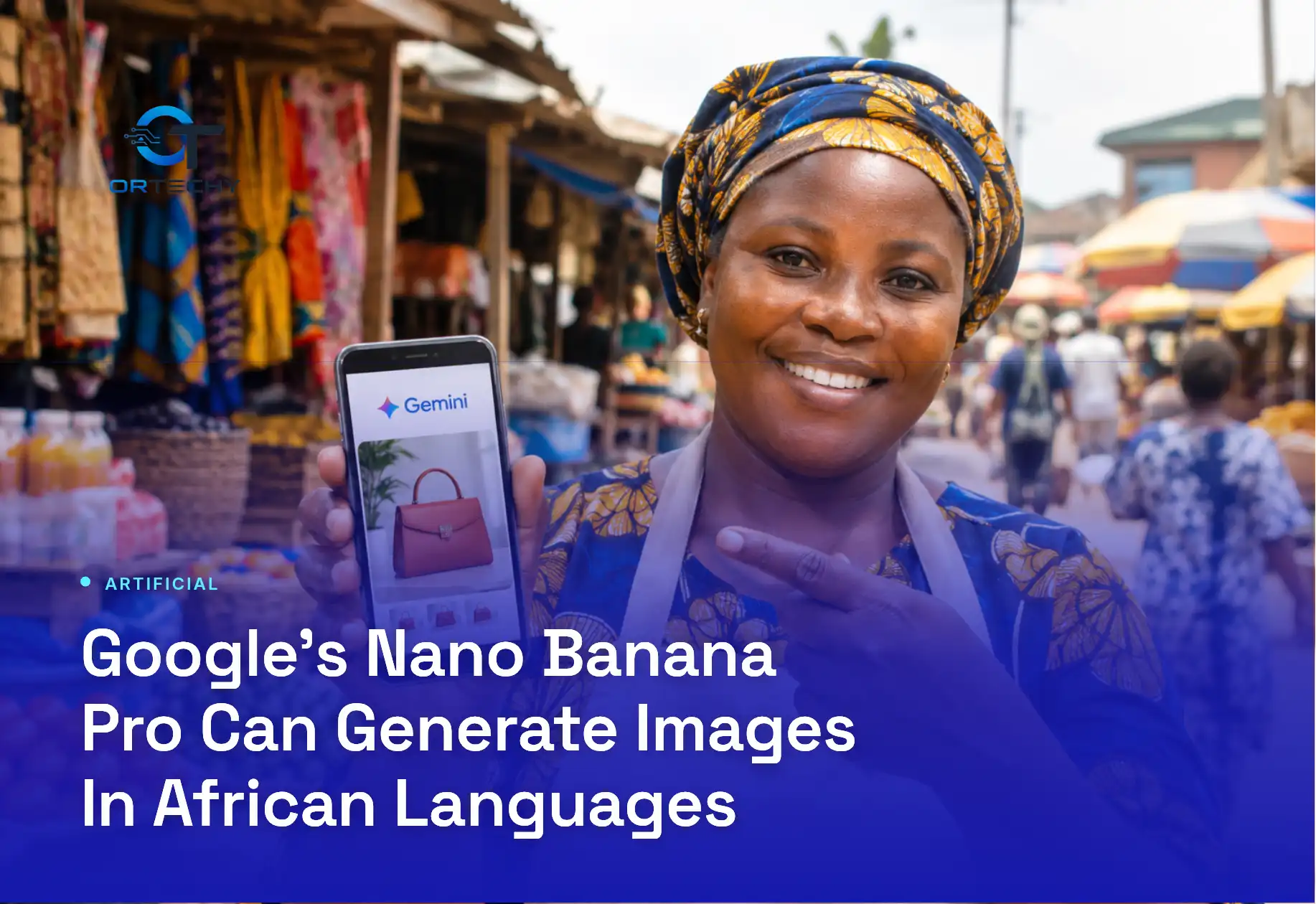
A market trader in Lagos and a boutique owner in Nairobi have a problem in common. Both need product photos and flyers that look professional, and neither has the budget for a designer. Google’s Nano Banana Pro, the image model quietly built into the free Gemini app, was not made with either of them specifically in mind. But one detail buried in its release notes makes it more useful to African sellers than almost any AI image tool that came before it: it renders legible text in dozens of languages, and Google’s own multilingual language list, the one Gemini 3 draws its text rendering from, includes Swahili, Hausa, Yoruba, Zulu, Amharic, Xhosa and Somali.
That is not a small feature. Most AI image generators handle English captions reasonably well and fall apart the moment a prompt asks for anything else. A flyer in Hausa for a Kano hardware store, or a poster in Kiswahili for a Mombasa restaurant, has historically meant hiring a designer or accepting garbled text. Nano Banana Pro changes that math, and almost nobody covering it from a Nigerian, Kenyan or Ghanaian angle has mentioned it.
What Nano Banana Pro Actually Is
Google introduced Nano Banana Pro on November 20, 2025, built on top of Gemini 3 Pro. It replaced the original Nano Banana as the default image generator inside the Gemini app, and according to its technical documentation, it can blend up to 14 reference images into one output, hold a person’s likeness consistent across five separate generations, and produce images natively at 4K resolution. It can also search the web mid-generation, so asking it to build an infographic about, say, Nigeria’s mobile money adoption pulls real figures rather than inventing them.
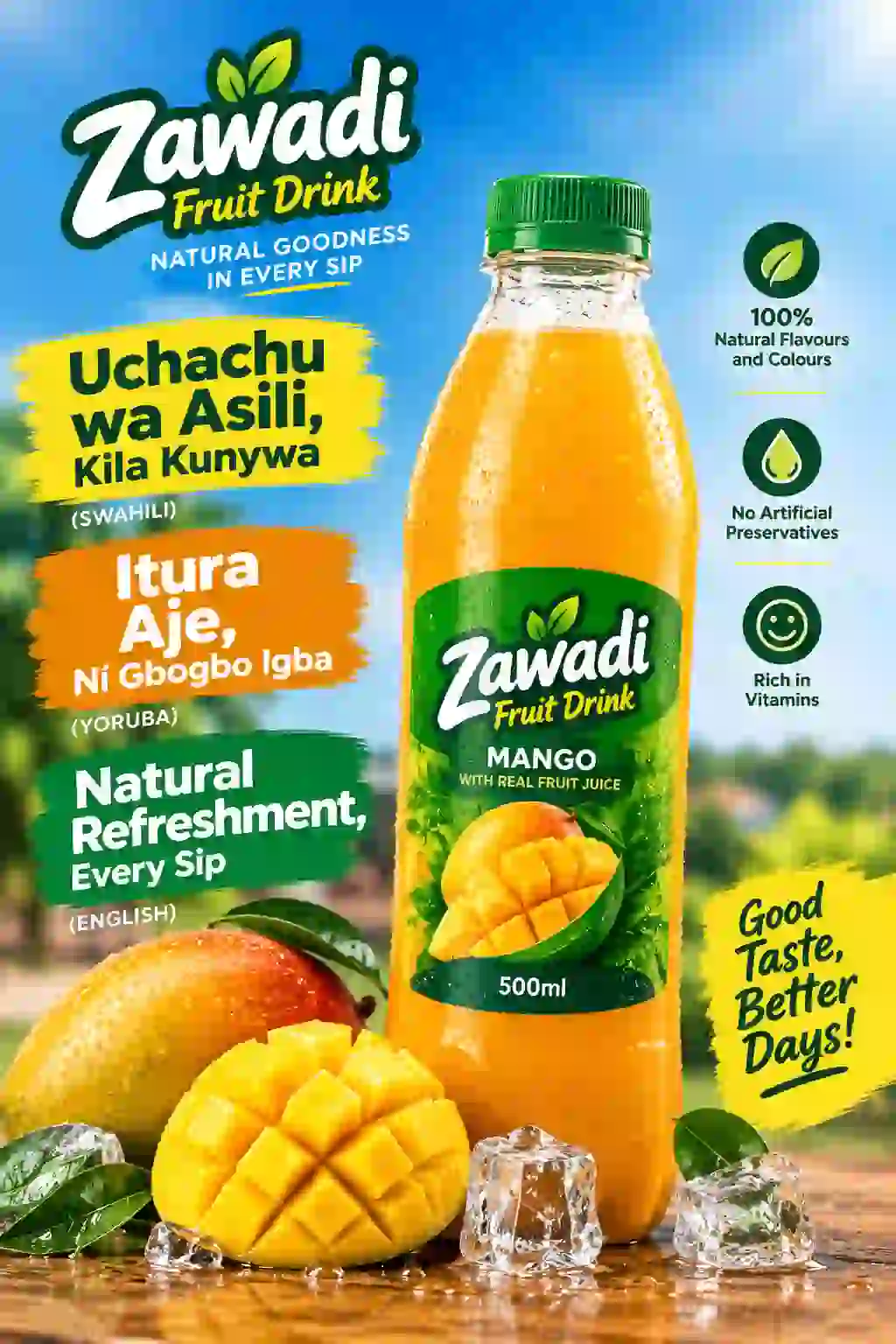
None of that is unique to Africa. What is genuinely useful here is the text rendering. Marketing materials, product labels and social posts across the continent are rarely monolingual, and a tool that can put accurate Yoruba or Zulu script into a generated image, rather than the smudged approximation older models produced, solves a problem that has quietly cost small businesses money in printing reprints and rejected client work.
Where This Actually Helps: Product Photography and Local-Language Marketing
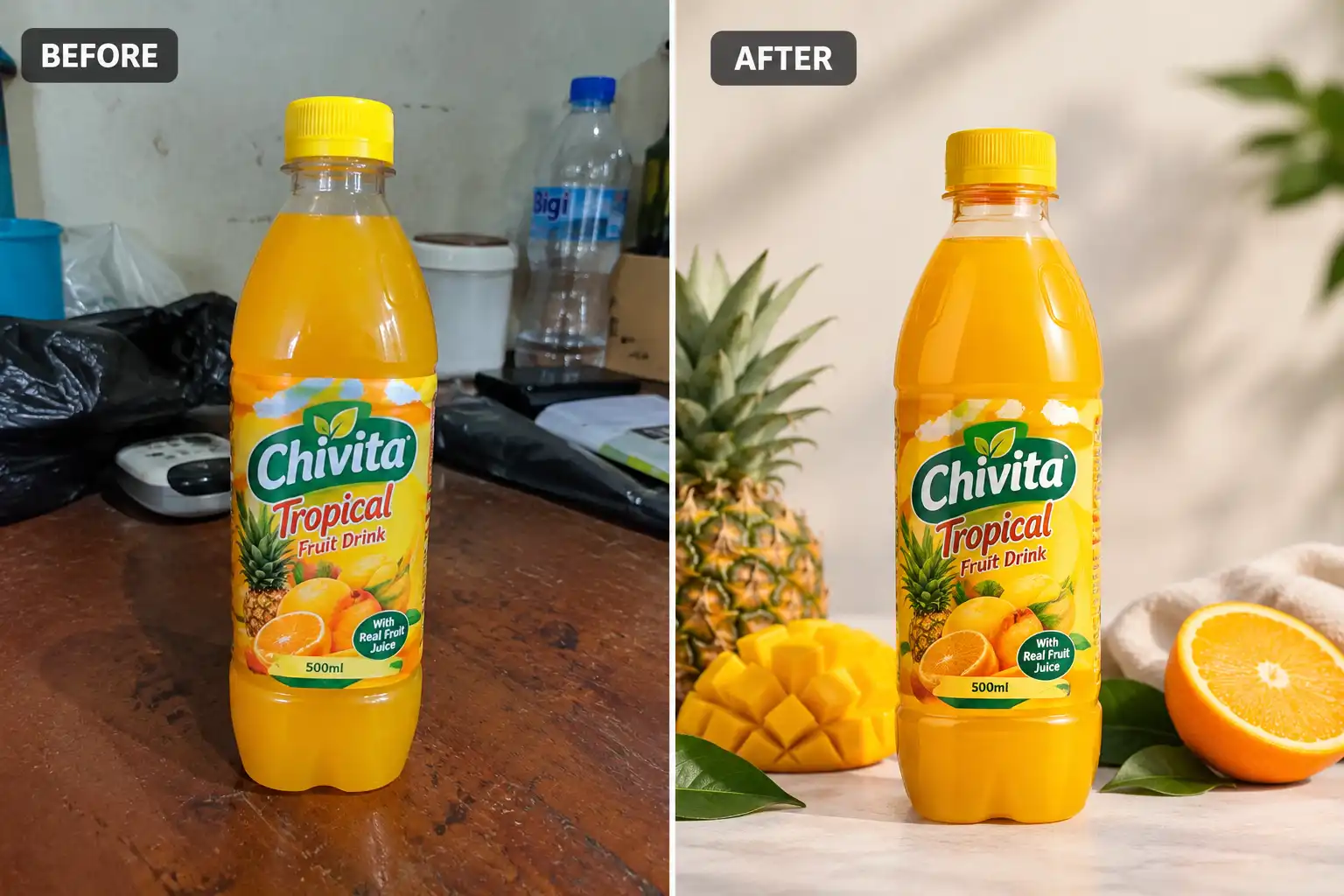
Sellers running shops on Jumia, Instagram or Facebook Marketplace across Lagos, Accra and Johannesburg spend real money on product photography, often paying per shoot for a service a decent camera phone, such as the Tecno Camon 40, and a well written prompt can now approximate. Feed Nano Banana Pro a plain photo of a product against a wall, and it can place that same item convincingly into a styled scene, swap backgrounds, or generate a clean studio shot without a studio.
The language feature adds a second layer most tutorials skip. A seller in Kampala can generate the same poster in English and Luganda without redesigning it from scratch, since the model can translate and localize text inside an existing image while keeping the layout untouched. That is a genuinely different workflow from copying text into Canva and hoping the font holds up.
Small businesses running customer service over WhatsApp, the way many Nigerian sellers already have their sales assistants set up, can generate a product catalogue image the moment a customer asks for one, in whichever language the conversation happens to be in.
How to Actually Use It, Free
Access does not require a developer account or a credit card. Opening the Gemini app, or gemini.google.com on a browser, and selecting the image generation option puts Nano Banana Pro in front of anyone with a Google account. Free-tier users get a limited number of generations before the app quietly falls back to the original Nano Banana model for the rest of the day, which is a real constraint worth knowing about before promising a client five variations in one sitting.
Google AI Pro and Ultra subscribers get considerably higher limits, and for a small business generating marketing assets weekly, that upgrade tends to pay for itself faster than hiring outside design help would.
Hardware is rarely the bottleneck here. Even an entry-level device like the Villaon V45 runs the Gemini app without trouble, since the actual image generation happens in Google’s cloud rather than on the phone itself. A stable data connection matters far more than the device generating the prompt.
Where It Falls Short
Every image carries an invisible SynthID watermark, which will not bother most small business use cases but matters if a client specifically needs an unmarked file. It is also a small but genuine safeguard in a region already dealing with a rise in AI-assisted online scams, since a watermarked image is at least traceable back to the tool that made it. The model can also misstate facts inside data-driven infographics, so anything built around statistics, prices or dates needs a human check before it goes out, the same caution that applies to any AI tool making factual claims. It also does not work offline, which is a real limitation across parts of the continent where connectivity is inconsistent.
It is also worth knowing what it is up against. Meta’s own image model, Muse Image, launched a few months later and is now built directly into WhatsApp and Instagram, which matters for anyone already running a business through those apps rather than a separate design tool. Meta’s internal testing put Muse Image ahead of the previous Nano Banana on editing tasks, though Google’s Pro release came after that comparison and closes much of the gap. Which tool wins depends less on raw quality and more on where the seller already spends their day: inside WhatsApp, or inside a dedicated app built for design work.
The Case for Trying It Now
Nano Banana Pro has been available since November, and the search data tells an interesting story. Interest has held steady across Nigeria, Kenya and Ghana for nearly a year now, yet almost none of the coverage discussing it comes from an African publication, let alone one that has tested the multilingual claim against actual Nigerian, Kenyan or Ghanaian use cases. That gap will not last. As more African sellers discover that a free Google account gets them studio-quality product shots and marketing copy in the language their customers actually speak, the tool stops being a curiosity and starts being infrastructure.
For now, it remains one of the more underused advantages sitting inside an app most people already have installed.
Frequently Asked Questions
Is Nano Banana Pro free to use in Nigeria, Kenya and Ghana?
Yes. Nano Banana Pro is accessible through the free tier of the Gemini app in all three countries, though free users get a limited number of Pro-quality generations per day before the app switches to the original Nano Banana model.
Can Nano Banana Pro really generate text in Yoruba, Swahili or Zulu?
It can render text in these languages, since they appear on Google’s own supported multilingual list that Gemini 3 draws from. Quality varies by language and by how the prompt is phrased, so it is worth testing with the specific words or phrases a project needs before relying on it for a paying client.
Does Nano Banana Pro watermark the images it creates?
Yes, every image includes an invisible SynthID watermark that survives cropping and compression. This does not affect normal commercial use but is worth knowing if a client specifically requires an unmarked file.
How is Nano Banana Pro different from Meta’s Muse Image?
Nano Banana Pro lives inside the Gemini app and focuses on precise text rendering and 4K output, while Muse Image is built directly into WhatsApp and Instagram, which suits sellers who already run their business through those apps. Neither is strictly better across every task.
Do I need a powerful phone to use Nano Banana Pro?
No. Image generation happens on Google’s servers rather than on the device, so even an entry-level Android phone can run it as long as it has a stable internet connection.

Prince Anichi
Founder and Lead Technology Editor at Ortechy. Covering digital economy shifts, tech ecosystems across Africa, cybersecurity intelligence, and emerging software platforms.