In this article10 sections
- 01.What is PAPSS, in simple words?
- 02.Why it matters for Nigerians and Africans
- 03.How a PAPSS payment works (step by step)
- 04.What PAPSS does not solve yet
- 05.PAPSS and mobile money
- 06.Frequently Asked Questions
- ↳Can I use PAPSS as an individual?
- ↳Is PAPSS a cryptocurrency?
- ↳Which countries use PAPSS?
- ↳Does PAPSS replace SWIFT?
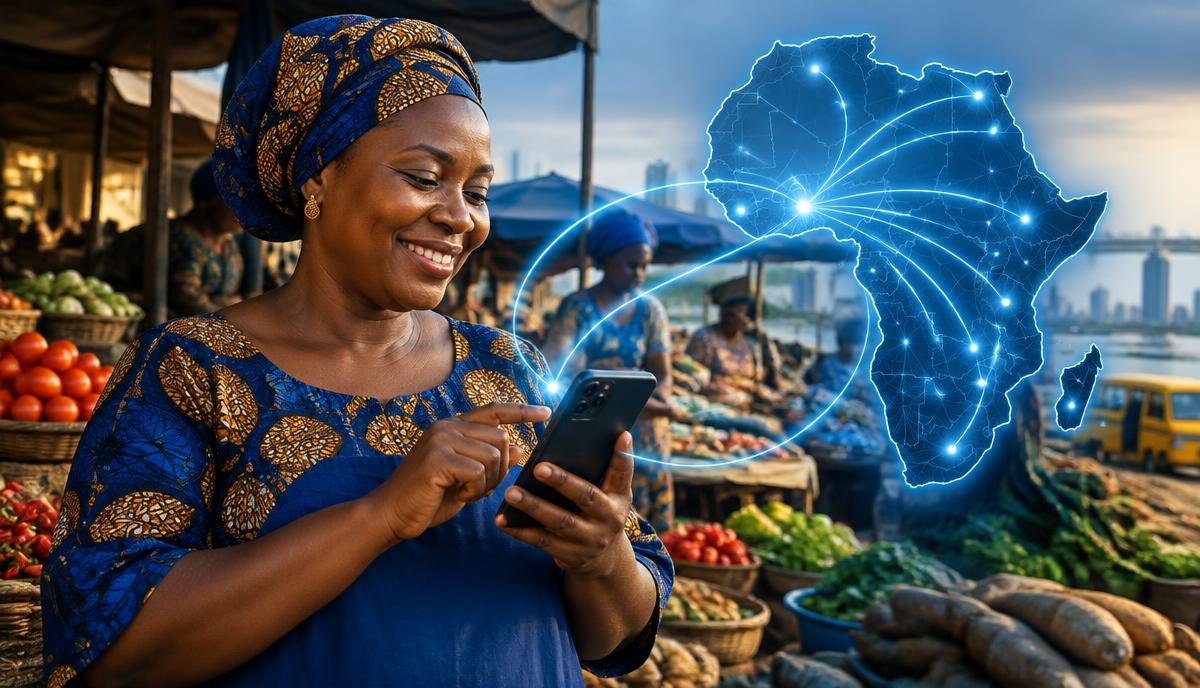
If you have ever tried to pay a supplier in Ghana from Nigeria, or receive money from Kenya, you know the pain. The money often travels through US dollars first, sometimes through banks in New York or London, before it reaches another African country. That adds fees, delays and exchange-rate losses.
The Pan-African Payment and Settlement System (PAPSS) was built to fix this. This guide explains it in plain English.
What is PAPSS, in simple words?
PAPSS is a payment "highway" that connects African banks and central banks. It was developed by Afreximbank together with the African Union and the AfCFTA Secretariat, and it was commercially launched in January 2022.
Think of it like this: instead of a Nigerian trader changing naira into dollars and the Ghanaian receiver changing dollars into cedis, PAPSS lets the trader pay in naira and the receiver get cedis. The system handles the conversion in the middle.
Why it matters for Nigerians and Africans
- Less dollar pressure: Many Nigerian businesses struggle to get dollars. Paying in local currency reduces that need.
- Faster payments: PAPSS is designed to settle payments in seconds or minutes, not days.
- Cheaper trade: Fewer middle banks usually means fewer charges.
- Supports AfCFTA: The African Continental Free Trade Area wants Africans to trade more with each other. Easy payments are a key part of that.
How a PAPSS payment works (step by step)
- You visit your bank (or banking app, where available) and choose a cross-border payment to another African country.
- You pay in your local currency, for example naira.
- Your bank sends the instruction through PAPSS.
- The receiver's bank in, say, Ghana or Kenya credits them in their own currency.
You do not need to buy dollars yourself. Note that not every bank or country is connected yet, so always ask your bank first.
What PAPSS does not solve yet
PAPSS is promising, but it is honest to say it is still growing. Not all banks have joined, many ordinary customers have never heard of it, and some services are still mostly used by businesses rather than individuals. Exchange rates between African currencies can also still move quickly.
PAPSS and mobile money
Mobile money services like M-Pesa in Kenya and Ghana's mobile wallets already changed how people send money at home. The next step is linking these wallets across borders. As fintechs grow, as we covered in our story on how Nigerian fintechs are building their own fraud AI, expect more apps to plug into systems like PAPSS.
Faster payments also attract scammers. Before sending money to anyone you have not met, read our guide to online scams targeting Nigerians.
Frequently Asked Questions
Can I use PAPSS as an individual?
Yes, where your bank offers it. Many connected banks focus on business payments first, so ask your bank whether personal transfers are available.
Is PAPSS a cryptocurrency?
No. It moves normal bank money in official currencies like naira, cedis and shillings.
Which countries use PAPSS?
The list keeps growing. Check the official PAPSS website for the current list of connected countries and banks.
Does PAPSS replace SWIFT?
Not fully. SWIFT is still used for global payments. PAPSS focuses on payments between African countries.
Bottom line: PAPSS is one of the most important, least known tools for African trade. If you run a business that buys or sells across African borders, it is worth asking your bank about it today. Also see our list of African tech startups to watch.

Prince Anichi
Founder and Lead Technology Editor at Ortechy. Covering digital economy shifts, tech ecosystems across Africa, cybersecurity intelligence, and emerging software platforms.