In this article28 sections
- 01.Why Online Scams in Nigeria Are Surging in 2026
- 02.Fake Investment Platforms and Ponzi Schemes on Social Media
- ↳How the Scheme Works
- ↳Warning Signs to Watch For
- 03.AI Generated Deepfake Videos and Celebrity Impersonation
- ↳How to Verify a Video Before Trusting It
- 04.Voice Cloning and Family Emergency Scams
- ↳How to Protect Yourself
- 05.Phishing, Smishing and Bank Impersonation Scams
- ↳Red Flags in Phishing Messages
- 06.Fake Job Offers and Employment Fraud
- ↳How to Spot a Fake Job Offer
- 07.Fake Online Stores and AI Generated Shopping Scams
- ↳Safer Shopping Habits
- 08.Loan App Fraud and Predatory Lending Platforms
- ↳Warning Signs of a Predatory Loan App
- 09.Romance Scams and the Yahoo Boys Phenomenon
- ↳Protecting Yourself in Online Relationships
- 10.How Nigerian Authorities Are Fighting Back
- 11.Practical Steps to Protect Yourself Online in 2026
- 12.Staying a Step Ahead of Nigeria’s Evolving Scam Landscape
- 13.Frequently Asked Questions
- ↳What is the most common online scam in Nigeria right now?
- ↳How can I tell if an investment platform is registered with the SEC?
- ↳Are deepfake videos of celebrities endorsing investments real?
- ↳Can scammers really clone someone’s voice?
- ↳What should I do if I have already sent money to a scammer?
- ↳Do loan apps in Nigeria ever ask for your contact list legitimately?
Nigeria’s Securities and Exchange Commission issued a public warning in May 2026 about unregistered investment platforms flooding WhatsApp, Instagram, and TikTok. This is just one sign of how fast online scams in Nigeria have evolved this year. Artificial intelligence now powers fake celebrity videos, cloned voices, and phishing messages that look almost identical to the real thing.
This guide breaks down the scams doing the most damage in 2026, from fake investment schemes to AI generated deepfakes and predatory loan apps. Each section explains how the scam works, what the warning signs look like, and what you can do to protect your money. Because these tricks keep changing, staying informed is now a basic survival skill for anyone who banks, shops, or scrolls social media in Nigeria.
Now let us start with the scam that regulators say is causing the most financial damage right now.
Why Online Scams in Nigeria Are Surging in 2026
Nigeria has over 122 million internet users, and that number keeps climbing every year. However, this growth has also created a larger pool of potential victims for fraudsters to target. According to the Nigerian Communications Commission, nearly six in ten Nigerian internet users have encountered some form of online scam.
Additionally, a PwC report cited by the Nigerian Communications Commission found that Nigerians lost about ₦12.5 billion to telecom related fraud between 2019 and January 2023 alone, as reported by The Guardian Nigeria’s coverage of the PwC fraud report. This means the financial toll of cybercrime in Nigeria is measured in billions, not millions. Because of this scale, understanding the top scam categories has become essential reading for every internet user.
The result is a fraud landscape that changes month to month. Scammers now use artificial intelligence to sound and look convincing, so old advice like “watch for bad grammar” no longer works. In practice, you need updated red flags for each scam type, which is exactly what the rest of this guide covers.
Fake Investment Platforms and Ponzi Schemes on Social Media
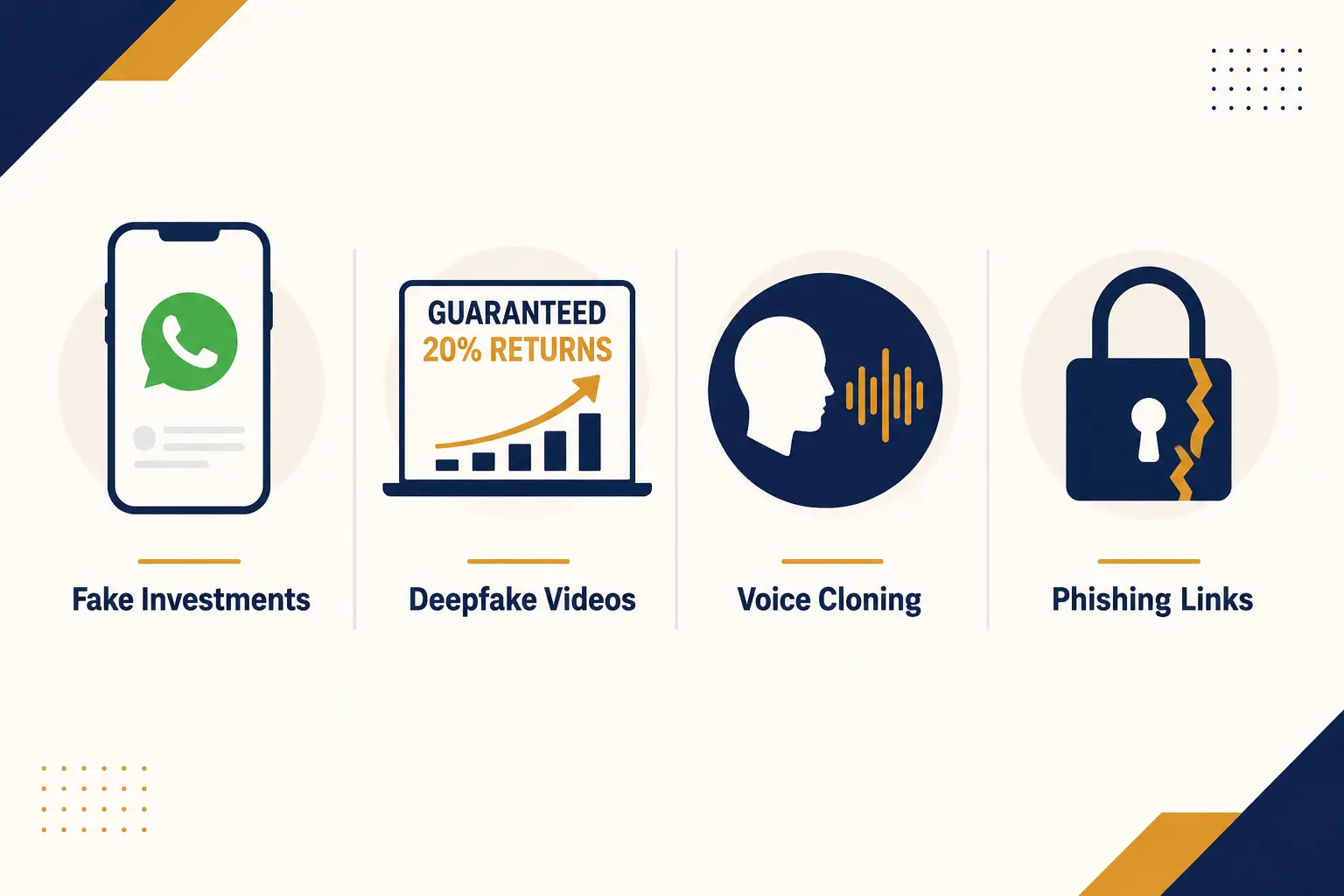
Fake investment platforms remain the single biggest online scam in Nigeria today. Scammers promise guaranteed or unusually high returns, then vanish once enough people have deposited funds. In a public notice dated May 8, 2026, Nigeria’s Securities and Exchange Commission warned that many of these platforms show clear signs of Ponzi schemes, as detailed by Vanguard Nigeria’s report on the SEC notice.
How the Scheme Works
Fraudsters advertise heavily on WhatsApp, Instagram, Telegram, TikTok, and Facebook. Some victims are shown fake account balances that grow daily, which encourages them to deposit even more money. Then, without warning, withdrawals suddenly stop working.
Cryptocurrency and forex trading remain favorite disguises because many Nigerians are unfamiliar with how those markets actually behave. Therefore, scammers exploit that knowledge gap by dressing up fraud as sophisticated trading strategies.
Warning Signs to Watch For
- Guaranteed or fixed daily and weekly returns that sound too good to be true
- Pressure to recruit new investors for bonus payments
- No verifiable registration on the SEC’s official portal
- Requests to pay a fee before you can withdraw your own funds
Always verify a platform through the SEC before depositing a single naira. If it is not registered, treat it as a red flag rather than a rare opportunity.
AI Generated Deepfake Videos and Celebrity Impersonation
One of the fastest growing scam categories in 2026 involves AI generated videos of trusted public figures. Fact checking organization Africa Check documented several cases where deepfakes showed business leaders and celebrities endorsing investment platforms they had never heard of. This includes a fabricated video of business executive Ibukun Awosika, which she personally debunked in January 2026, according to Africa Check’s 2026 scam trends guide.
This tells us something important. A convincing video is no longer proof that an investment offer is legitimate. Because AI tools have become so accessible, almost anyone can now produce a realistic looking clip of a well known face.
How to Verify a Video Before Trusting It
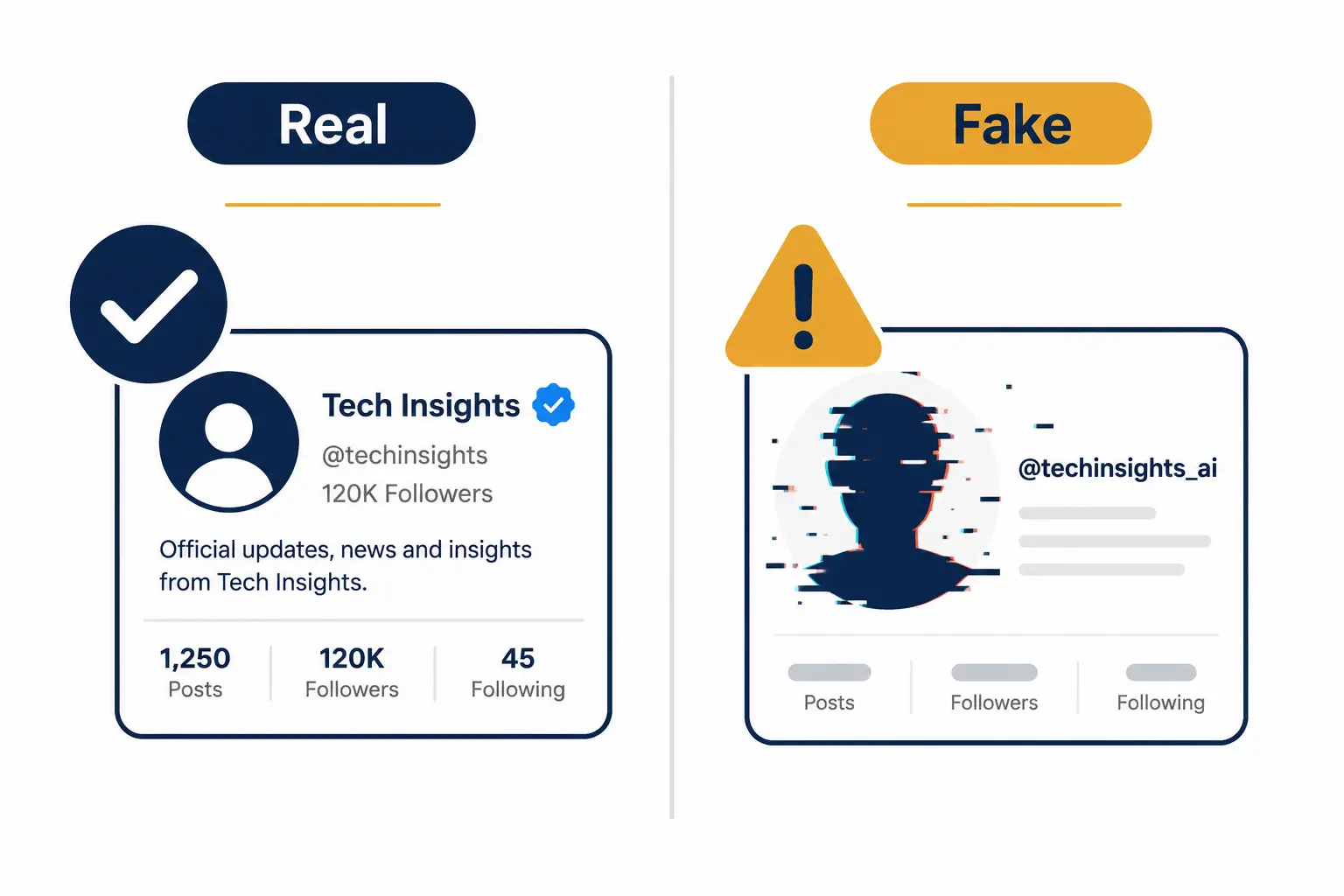
Never invest based on a video that arrives through WhatsApp or a random social media post. Instead, go directly to that person’s verified account on Instagram or X and check whether they posted it themselves.
Also, watch for unnatural blinking, mismatched lip movement, or a voice that sounds slightly robotic. Fake giveaways using the names of religious leaders, senators, and even telecom brands during periods like Ramadan have also become common, so treat any celebrity linked prize offer with equal suspicion.
Voice Cloning and Family Emergency Scams
Voice cloning has moved from science fiction into everyday fraud. Fraudsters need only a few seconds of audio, often lifted from a social media video or voice note, to recreate someone’s voice convincingly.
The typical setup involves a frantic call that sounds exactly like a relative claiming to be in an accident and needing urgent money. Because the voice sounds so familiar, most people do not pause to question it. This scam is spreading quickly across Nigeria as more people post voice content online, according to TechEconomy’s report on AI enabled scams in Nigeria.
How to Protect Yourself
- Hang up and call the relative back directly on their known number
- Ask a personal question only the real person would know
- Never send money based on a single unverified phone call
- Agree on a family safe word for genuine emergencies
Finally, remember that urgency is the scammer’s main weapon. A genuine emergency can wait the few minutes it takes to verify who is really calling.
Phishing, Smishing and Bank Impersonation Scams
Phishing scams used to be easy to spot because of poor grammar and obvious spelling mistakes. This is no longer true in 2026. Artificial intelligence now lets scammers write emails, text messages, and WhatsApp messages that closely mimic real communication from banks and fintech companies.
A common trick involves calls targeting elderly account holders and pensioners, with the caller claiming to be a bank staff member who needs the customer’s ATM card details to fix an account issue. Because older Nigerians may be less familiar with digital banking norms, they are often deliberately targeted this way.
Red Flags in Phishing Messages
- Any request for your one time password, PIN, or full card number
- Links that lead to a website with a slightly misspelled bank name
- Messages that create panic, such as claims your account will be closed today
- Unexpected calls asking you to confirm details you never volunteered
Banks will never ask you for your OTP, PIN, or password over the phone or by text. Therefore, treat any message that asks for these details as fraudulent, regardless of how official it looks.
Fake Job Offers and Employment Fraud
Employment scams thrive because Nigeria’s unemployment rate remains high, and remote work has become more common. Scammers post attractive job listings, often for government agencies or well known companies, then request a “processing fee” before hiring.
Some fraudsters go as far as printing fake offer letters and arranging for accomplices to call victims while pretending to hold different positions within the supposed employer. This adds a layer of false credibility that convinces even cautious job seekers.
How to Spot a Fake Job Offer
Legitimate employers do not require applicants to send money before hiring them. Also, be suspicious of job offers that arrive unsolicited through WhatsApp or social media rather than an official careers portal. Before sharing any personal documents, search the company name alongside the word “scam” to check for existing complaints.
Fake Online Stores and AI Generated Shopping Scams
Online shopping fraud has become more convincing because fraudsters now use AI to generate realistic product photos, write believable customer reviews, and build professional looking stores within hours. Some even deploy automated chatbots that respond instantly, which creates the impression of a real, active business.
Unfortunately, the product either never arrives or looks nothing like what was advertised. A professional looking website is no longer proof that a store is legitimate. This shift makes older shopping advice, like checking for a clean website design, far less reliable than it used to be.
Safer Shopping Habits
- Run a reverse image search on product photos to check if they were copied from a genuine retailer
- Read independent reviews outside the seller’s own website or page
- Avoid paying through bank transfer to a personal account for a new or unfamiliar store
- Confirm the seller has a verifiable physical address or business registration
Loan App Fraud and Predatory Lending Platforms
Fraudulent loan apps promise quick, unsecured cash, then trap victims with hidden fees and abusive debt collection tactics. An INTERPOL led operation across sixteen African countries between December 2025 and January 2026 uncovered scams linked to over $45 million in losses, many of them tied to mobile loan fraud and mobile money schemes, according to INTERPOL’s report on Operation Red Card 2.0.
During this operation, Nigerian police dismantled a fraud ring that combined phishing, identity theft, and social engineering. In a separate case, authorities arrested members of a syndicate that infiltrated a major telecom provider’s internal systems to steal airtime and data for resale.
Warning Signs of a Predatory Loan App
Be cautious of apps that request access to your entire phone contact list before approving a loan. Also watch for interest rates that are not clearly disclosed upfront, and aggressive threats sent to your contacts if a payment is even briefly late. Genuine lenders regulated by the Central Bank of Nigeria do not need your full contact list to assess a loan.
Romance Scams and the Yahoo Boys Phenomenon
Romance scams, sometimes escalating into sextortion, build emotional trust over weeks or months before the scammer fabricates an emergency requiring money. These schemes often start on dating apps or social media, where fake profiles use stolen photos to appear attractive and trustworthy.
Nigeria’s advance fee fraud tradition, historically known as the 419 scam and locally called “yahoo yahoo,” has deep roots that predate the internet, as documented in the Wikipedia entry on advance fee scam history. Today, that same playbook has moved into dating apps, direct messages, and video calls.
Protecting Yourself in Online Relationships
Be wary if an online partner you have never met in person asks for money for a flight, hospital bill, or customs fee. This means genuine affection rarely comes with a sudden financial emergency attached. If the relationship escalates quickly and always seems to need funds, step back and verify the person’s identity through a video call and reverse image search.
How Nigerian Authorities Are Fighting Back
The good news is that enforcement has intensified. The Economic and Financial Crimes Commission continues to prosecute cybercrime cases, while the Securities and Exchange Commission has closed down dozens of unregistered investment platforms in recent years.
Because international cooperation matters for cross border fraud, INTERPOL’s Operation Red Card 2.0 led to 651 arrests and the recovery of more than $4.3 million across the African continent. This shows that coordinated law enforcement action is catching up with fast moving fraud networks, even as scammers keep adapting their tactics.
However, prevention still starts with the individual. Regulators can shut down one platform, but a new one can appear within days. This is why understanding red flags remains your strongest personal defense.
Practical Steps to Protect Yourself Online in 2026
Now that you understand the major scam categories, here are habits that apply across nearly every scenario above.
- Verify investment platforms through the SEC’s official portal before depositing money
- Enable two factor authentication on your banking apps, email, and social media accounts
- Never share your OTP, PIN, or password with anyone, including someone claiming to be your bank
- Confirm celebrity endorsements and giveaways only through the person’s verified social media account
- Pause before acting on any message that creates urgency or fear
- Report suspicious platforms and messages to your bank, telecom provider, or the EFCC
The result of building these habits is simple. You become a harder target, and scammers generally move on to easier prey.
Staying a Step Ahead of Nigeria’s Evolving Scam Landscape
Online scams in Nigeria have grown more convincing because artificial intelligence now removes the obvious mistakes that once gave fraud away. Fake investment platforms, deepfake celebrity videos, cloned voices, and predatory loan apps all share one trait. They rely on urgency and trust to bypass your natural caution.
Therefore, the strongest defense is not a single tool or app. It is the habit of pausing, verifying, and questioning any offer that feels rushed or unrealistic. Regulators like the SEC and enforcement bodies like the EFCC and INTERPOL are actively working to dismantle these networks, but individual awareness remains the first line of defense.
In practice, this means checking a platform’s registration, confirming a caller’s identity, and never letting emotion override verification. As scam tactics continue to evolve throughout 2026, staying informed is no longer optional. It is a basic requirement for using the internet safely in Nigeria.
For continued updates on emerging fraud trends, consult Africa Check’s ongoing scam trend coverage and monitor official alerts from the Securities and Exchange Commission.
Frequently Asked Questions
What is the most common online scam in Nigeria right now?
Fake investment platforms and Ponzi schemes promoted on social media remain the most widespread online scam in Nigeria in 2026. They often promise guaranteed returns and target both young professionals and retirees looking to grow their savings.
How can I tell if an investment platform is registered with the SEC?
Visit the Securities and Exchange Commission’s official verification portal and search for the company name before depositing any funds. If the platform does not appear as a registered entity, treat it as high risk regardless of its marketing claims.
Are deepfake videos of celebrities endorsing investments real?
Almost never. Fact checkers have repeatedly debunked AI generated videos showing Nigerian business leaders and public figures promoting platforms they have no connection to. Always confirm any endorsement through the celebrity’s own verified account.
Can scammers really clone someone’s voice?
Yes. Voice cloning tools can recreate a familiar voice using just a few seconds of audio from a video or voice note. This is why unexpected emergency calls asking for money should always be verified through a callback or a known family safe word.
What should I do if I have already sent money to a scammer?
Contact your bank immediately to report the transaction and ask about a possible reversal. Then report the incident to the Economic and Financial Crimes Commission, since documented reports help authorities track repeat offenders.
Do loan apps in Nigeria ever ask for your contact list legitimately?
Regulated lenders generally do not require full access to your phone contacts to approve a loan. If an app demands this and later threatens to contact your friends and family over a late payment, it is very likely operating as a predatory or fraudulent platform.

Prince Anichi
Founder and Lead Technology Editor at Ortechy. Covering digital economy shifts, tech ecosystems across Africa, cybersecurity intelligence, and emerging software platforms.