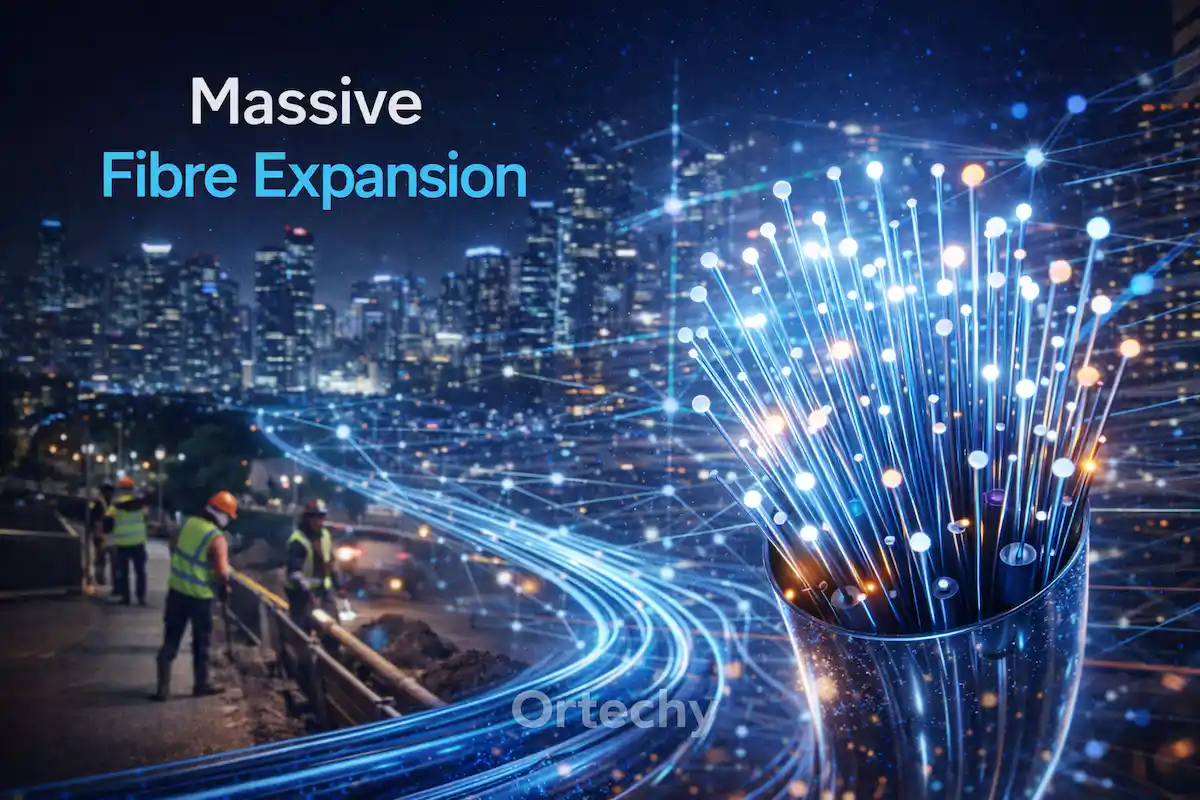
Massive Fibre Expansion: Transforming Connectivity, Driving Innovation, and Powering the Digital Economy
Introduction
The global demand for fast, reliable, and scalable internet connectivity has never been higher. As digital transformation accelerates across industries, the need for robust infrastructure becomes critical. One of the most significant developments in this space is massive fibre expansion, the rapid deployment of fibre-optic networks to improve internet speed, reliability, and accessibility.
In countries like Nigeria and across emerging markets, fibre expansion is not just a technological upgrade rather it is a fundamental driver of economic growth, innovation, and digital inclusion. This article explores what massive fibre expansion means, why it matters, its impact on businesses and startups, the challenges involved, and what the future holds.
What is Massive Fibre Expansion?
Massive fibre expansion refers to the large-scale deployment of fibre-optic cables across cities, rural areas, and even across national borders. These cables transmit data as light signals, allowing for ultra-fast internet speeds, low latency, and high bandwidth capacity.
Unlike traditional copper-based infrastructure, fibre optics can handle significantly more data over longer distances without signal degradation. This makes it the backbone of modern internet systems.
Governments, telecom companies, and private investors are now investing heavily in expanding fibre networks to meet the growing demands of:
- Streaming services
- Cloud computing
- Remote work and online education
- Smart cities and IoT devices
Why Massive Fibre Expansion Matters
1. Faster Internet Speeds
One of the most obvious benefits of fibre expansion is speed. Fibre networks offer gigabit-level internet speeds, enabling users to download large files, stream high-definition content, and run data-heavy applications seamlessly.
2. Improved Reliability
Fibre-optic cables are less susceptible to interference from weather conditions or electromagnetic signals. This results in more stable and reliable internet connections, which is crucial for businesses and critical services.
3. Scalability for Future Technologies
As technologies like artificial intelligence, 5G, and cloud computing continue to evolve, the demand for bandwidth will increase. Fibre infrastructure is highly scalable, making it future-proof.
4. Economic Growth
Access to high-speed internet enables businesses to operate more efficiently, reach global markets, and innovate faster. Fibre expansion directly contributes to job creation, entrepreneurship, and GDP growth.
Impact on Tech Startups and Businesses
Massive fibre expansion is a game-changer for startups and businesses, especially in developing economies.
1. Enabling Digital Startups
Startups in sectors like fintech, e-commerce, and SaaS rely heavily on internet connectivity. Fibre networks provide the speed and reliability needed to build and scale digital products.
2. Boosting Remote Work
With high-speed internet, companies can operate remotely without compromising productivity. This opens up opportunities for global collaboration and talent acquisition.
3. Supporting Cloud-Based Services
Fibre connectivity allows businesses to leverage cloud platforms for storage, computing, and software delivery. This reduces infrastructure costs and improves efficiency.
4. Enhancing Customer Experience
Fast and reliable internet ensures seamless user experiences, which is critical for customer retention in competitive markets.
Fibre Expansion in Nigeria: Current Landscape
Nigeria is experiencing a significant push toward expanding its fibre infrastructure. Major telecom operators and government initiatives are working to increase fibre penetration across the country.
However, challenges remain. Fibre coverage is still concentrated in urban areas, leaving many rural communities underserved. Bridging this gap is essential for achieving inclusive digital growth.
Key Developments
- Increased investment in broadband infrastructure
- Public-private partnerships
- Expansion of metro and long-haul fibre networks
- Government policies promoting digital economy
Challenges of Massive Fibre Expansion
1. High Deployment Costs
Laying fibre-optic cables requires significant capital investment. Costs include materials, labor, and permits.
2. Right-of-Way Issues
Obtaining permissions to lay fibre cables can be complex and time-consuming, often involving multiple regulatory bodies.
3. Infrastructure Damage
Fibre cables are sometimes damaged during road construction or due to vandalism, leading to service disruptions.
4. Limited Rural Access
Extending fibre networks to rural areas is challenging due to low population density and high costs.
Future of Fibre Expansion
The future of fibre expansion looks promising, with continued investments and technological advancements.
1. Integration with 5G Networks
Fibre will play a critical role in supporting 5G infrastructure, providing the backbone for high-speed wireless connectivity.
2. Smart Cities Development
Fibre networks will enable smart city technologies, including traffic management, surveillance, and energy optimization.
3. Increased Internet Penetration
As fibre networks expand, more people will gain access to the internet, driving digital inclusion.
4. Innovation and Entrepreneurship
Improved connectivity will foster innovation, allowing startups to develop new solutions and compete globally.
Conclusion
Massive fibre expansion is more than just an infrastructure upgrade, iMassive Fibre Expansion:t is a foundation for the future of the digital economy. By enabling faster, more reliable, and scalable internet connectivity, fibre networks are transforming how people live, work, and do business.
For countries like Nigeria, investing in fibre expansion is essential for unlocking economic potential, empowering entrepreneurs, and ensuring global competitiveness.
The message is clear: the future is digital, and fibre is the backbone that will power it.
